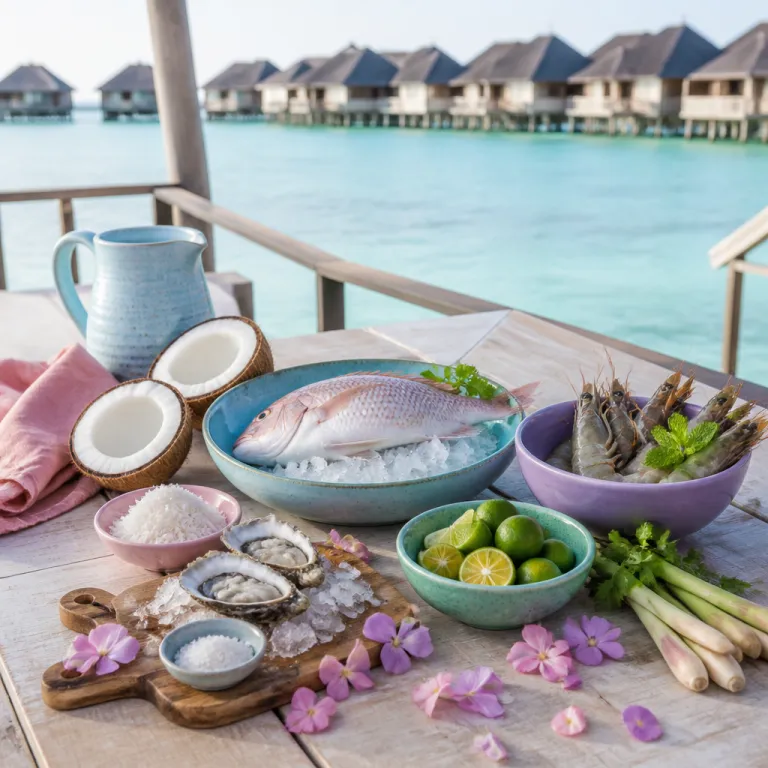
From buffet lines to overwater resort dining destinations
Overwater resort dining with a luxury culinary focus has evolved from basic buffets into ambitious restaurant programs that rival serious city hotspots. At the top end, the question is no longer whether the food is acceptable but whether the entire dining experience justifies flying halfway across the world for a few precious day and night cycles under the moon. For business leisure travelers used to major coastal dining hubs, the surprise is that a remote resort can now feel like a genuine gastronomic destination rather than a captive hotel canteen.
A clear example is the planned Bulgari Resort Ranfushi in the Maldives, announced with a small collection of villas and multiple distinct restaurants, positioning the property as a gastronomic club rather than a simple place to sleep in overwater rooms. Early releases describe Il Ristorante – Niko Romito as the flagship venue, bringing an urban level of elegant dining precision to an island setting, with a chef brigade that treats each plate as carefully as any restaurant overlooking a European bay. This high staff-to-guest ratio means you can reserve a table for a late happy hour at the bar, enjoy a tasting menu under the half moon, then walk back to your room along the jetty with the same satisfaction you would feel leaving a three-star address in a global food capital.
Across the overwater segment, developers and resort chefs have learned that travelers now evaluate a property first by its dining experiences and only second by the size of the room or the fitness center equipment list. Upscale island restaurants now integrate multiple concepts, from an open-air venue with ocean views to a more formal dining room that offers private alcoves for executives closing deals. This evolution has turned many properties into genuine culinary destinations, where guests book the resort primarily for the restaurant program and treat the villa, the club-style bar, and the lagoon as supporting characters in a broader narrative about food and wine.
Underwater restaurants and the value of the view
Underwater restaurants at overwater resorts promise a surreal dining experience, but not all of them deliver more than a novelty photo. Ithaa at Conrad Maldives helped define the genre, enclosing a compact dining room in glass so that reef life becomes the moving artwork around your table rather than a framed print on the wall. SEA at Anantara Kihavah refined the idea with a multi-sensory dining experience, pairing wine and tasting menus with slow-moving marine theater that feels more like a private screening than a crowded aquarium club.
When you evaluate these submerged dining rooms through a luxury culinary lens, ask whether the kitchen would stand on its own without the fish. A strong pastry chef, a confident savory chef, and a service team that can pace courses while guests pause to watch a ray glide past are what separate a serious dining destination from a themed venue that happens to sit below the surface. The view should enhance the rhythm of the meal, not compensate for a half-thought menu or generic room-service-style plating.
Some underwater venues lean too hard on the spectacle, leaving guests with an experience that feels like paying for an expensive aquarium ticket plus a set menu. Others, especially those with tight room counts and high staff ratios, treat the underwater setting as one of several dining experiences, alongside open-air grills, modern-twist tasting counters, and relaxed bar terraces with ocean views. For travelers used to refined metropolitan fine dining, the benchmark is simple: if you would not recommend the restaurant to a friend without mentioning the water, then the concept is not yet a true luxury culinary destination.
Beyond room service: private dining in and over the water
The most interesting shift in overwater resort dining with a luxury culinary focus is happening inside the villas themselves. Traditional room service has evolved into curated private dining experiences, where a chef team turns your deck into an open-air restaurant with a temporary dining room under the stars. Instead of a trolley and a cloche, you might find a grill, a bar cart, and a pastry chef torching meringue while the moon reflects off the bay.
At the highest level, resorts now treat each villa as a flexible dining destination, especially when there are only a few dozen rooms and a high staff-to-guest ratio. You can reserve a private dining sequence that starts with oysters and a modern twist on ceviche at the edge of your plunge pool, continues with a chef-cooked main course served at a linen-dressed table, and ends with ice cream and petits fours delivered by a butler as the half moon rises. This is where the line between room and restaurant blurs, and where the philosophy of an overwater experience rather than a simple overwater room becomes critical for discerning travelers who value privacy as much as spectacle.
For a deeper sense of how service shapes these moments, it is worth reading about the barefoot butler philosophy and what separates an overwater experience from an overwater room on Overwater Villas Stay, which explains why staffing and training matter as much as architecture. When a resort invests in this level of service, room service becomes a misnomer; you are commissioning a one-night restaurant overlooking your own stretch of ocean, with a chef and server team dedicated solely to your table. For business leisure guests extending a work trip, this kind of private club atmosphere in their own rooms can feel more restorative than any crowded dining room, especially after a week of client dinners in high-pressure boardrooms.
Logistics, sourcing and the real cost of island gastronomy
Behind every plate at high-end island restaurants with serious culinary ambition lies a complex supply chain. Remote islands rarely grow enough produce to support multiple venues, so resort chefs must balance imported ingredients with whatever local fishermen and farmers can provide on any given day. That is why the same resort may serve a California-style heirloom tomato salad one day and pivot to a moon-bay-inspired seafood crudo the next, depending on what arrives by boat or plane.
Overwater resort developers and culinary teams work with local suppliers to secure consistent quality, but the logistics add cost and risk that guests rarely see. A single missed shipment can force a pastry chef to rethink desserts overnight, or push a bar team to redesign a happy hour menu when a key spirit fails to arrive, yet the guest still expects an elegant dining standard that matches a top city restaurant. This is where a flexible menu design, strong training in multiple cuisines, and a willingness to give the chef room to improvise become essential.
For travelers, the practical takeaway is to learn how these constraints shape the dining experiences you will enjoy. Ask how often the resort receives fresh seafood, whether the restaurant overlooking the lagoon uses local line-caught fish, and how the fitness center café or ice cream counter sources fruit for smoothies. Some properties now sell gift cards that can be used across all dining venues, encouraging guests to explore every bar, club-style lounge, and open-air restaurant during their stay, which helps the resort manage inventory while giving you more variety over the course of your trip.
Chef residencies, urban influences and booking strategies
As overwater resort dining programs with a luxury culinary focus mature, many properties are importing talent and ideas from major cities. Chef residencies and pop-ups bring San Francisco tasting menus, California wine pairings, and even moon-bay-inspired raw bars to islands that once offered only a single buffet restaurant. For guests, this means you can now plan a trip around a specific dining experience, much as you would reserve a table at a destination restaurant overlooking a famous bay during a city break.
Some resorts rotate guest chefs through multiple rooms and venues, turning each day into a different chapter of a broader culinary story. One night might feature an elegant dining menu in the main dining room, the next an open-air restaurant takeover with a modern twist on street food, and another a private dining collaboration where a visiting chef cooks in your villa while the resident pastry chef handles dessert. These experiences transform the resort into a temporary club for food-focused travelers, where the bar, the fitness center juice counter, and even the ice cream stand feel connected to a coherent culinary vision.
When you plan a stay, treat the resort’s restaurants as seriously as you would any city itinerary. High-end overwater properties with ambitious kitchens often release schedules for chef residencies, special dining experiences, and limited-seat events that require you to reserve well before arrival, sometimes even when you purchase gift cards or confirm your room category. Remember that “What are overwater resorts?” and “How have overwater resorts evolved?” are now answered partly through their kitchens; “Luxury accommodations built over water.” and “Incorporated gourmet dining options.” are no longer marketing lines but practical criteria for deciding whether a property is worth your time and budget.
FAQ
What are overwater resorts and why are they popular with food focused travelers ?
Overwater resorts are luxury accommodations built over water, usually on stilts above lagoons or bays, and they attract travelers who want both privacy and direct access to the ocean. They are popular with food-focused guests because many now operate as full dining destinations, offering multiple restaurants, private dining options in the rooms, and bar programs that rival urban venues. The combination of ocean views, elegant dining rooms, and curated dining experiences makes them appealing for business leisure travelers who expect high standards.
How have overwater resort dining programs evolved beyond buffets ?
Overwater resort dining with a luxury culinary focus has moved from single buffets to multi-restaurant lineups that include fine dining, open-air grills, and casual club-style bars. Many properties now feature named chefs, pastry chef teams, and tasting menus that would feel at home in San Francisco or California, supported by strong room service and private dining options. This evolution reflects a broader hospitality trend where overwater resorts evolved into dining destinations with the objective to enhance guest experience and attract culinary tourism.
Are underwater restaurants worth the premium price ?
Underwater restaurants can be worth the premium when the food, service, and pacing match the drama of the setting. Venues like Ithaa at Conrad Maldives and SEA at Anantara Kihavah succeed because they pair serious cooking with a dining room that functions as a restaurant overlooking the reef, rather than relying solely on the view. Guests should evaluate menus, chef credentials, and overall dining experience rather than booking only for the aquarium effect.
What should I check before booking an overwater resort for its food ?
Before you reserve, review how many restaurants the resort offers relative to the number of rooms, and whether there are distinct concepts such as an elegant dining venue, an open-air restaurant, and a relaxed bar with happy hour. Look for information about chef residencies, local sourcing, and whether private dining or in-room experiences are available, especially if you plan to work during the day and dine in your villa at night. Many experts advise two simple steps for culinary travelers; “Book in advance” and “Check dining options”.
How do logistics affect food quality at remote overwater resorts ?
Remote locations mean that ingredients often arrive by boat or plane, which can affect freshness, availability, and cost. Strong island dining programs with a luxury culinary approach manage this by working closely with local suppliers, designing flexible menus, and training chefs to adapt when shipments change, so the guest still enjoys consistent dining experiences. Asking about delivery schedules, local seafood use, and how the resort handles special events can help you gauge whether the property treats its kitchens as seriously as its villas.