Maldives Tourism Act overwater resorts 2026: what changes for guests
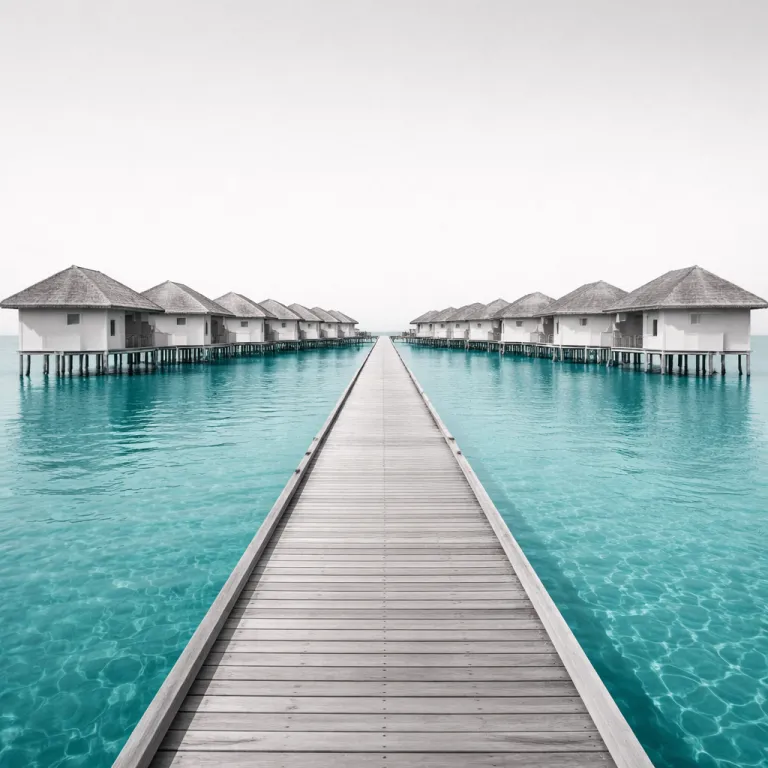
The phrase Maldives Tourism Act overwater resorts 2026 now signals a structural shift in how the Maldives manages its most coveted villas. When President Dr Mohamed Muizzu ratified the latest amendment to the Maldives Tourism Act on 27 December 2023, following approval by the 20th People’s Majlis, the government effectively rewired the rules that govern every luxury resort built above a lagoon. For travelers, this means that the next overwater stay on a private island will be shaped as much by regulation as by design.
The ratified amendment to the core Maldives tourism law establishes a clearer framework for leasing areas for tourist resort development, including the overwater villas that dominate advertising imagery. It defines lagoon boundaries for leased islands, extends resort construction periods, and recognises Tourism Training Resorts as official tourist facilities, which is a key change for the tourism sector because it ties guest experience to better trained staff. According to the official summary published in the Government Gazette, “this Act establishes a framework for leasing areas for tourist resort development and for recognizing Tourism Training Resorts as a distinct category of tourism facility,” giving legal backing to training-focused properties that host paying guests.
For guests flying into Velana International Airport and transferring by seaplane, the impact of this updated tourism package will be felt in stages. There is a defined lease extension window, running for six months from 3 December 2023 to early June 2024 under the transitional provisions, during which resorts whose leases are nearing expiry can negotiate new terms with the Maldives authorities. Expect news features and industry analysis to track which resorts secure a lease extension, because those agreements often unlock multi million USD renovation programmes that directly influence the quality of overwater villas and the sustainability of the surrounding reef. For example, local media have reported that properties such as Sun Siyam Iru Fushi have already confirmed new investment plans tied to extended lease security, signalling how quickly the legal changes translate into construction and refurbishment decisions.
New ministry, stricter sustainability and what it means for overwater villas
The Maldives ratified amendment arrives alongside the creation of a new Ministry of Tourism and Environment, merging two previously separate portfolios into a single tourism body with a broader mandate. This institutional change signals that sustainability is no longer a side project but a key pillar of development, especially for overwater resorts that sit directly above coral ecosystems. For the luxury traveler, the revised Maldives Tourism Act framework for overwater resorts in 2026 now implies higher environmental standards baked into every operating license for tourist hotels and stand alone overwater villas.
Green Globe certification is already gaining traction, with properties such as Holiday Inn Kandooma and The Standard Huruvalhi reporting high compliance scores that align with the new tourism trust narrative. As more resorts pursue certification, guests should expect stricter controls on grey water discharge, reef safe amenities, and limits on intrusive photos videos lighting that can disturb marine life beneath the villas. The government’s tourism strategy is clear, with the sector bringing foreign currency while a tourism trust fund structure is discussed to channel part of resort lease payments into conservation and community projects across multiple islands. According to figures shared by the Ministry of Finance, tourism directly contributes more than a quarter of national GDP and over 70% of foreign currency earnings, which explains why environmental safeguards around lagoons and overwater construction are now being written directly into lease and license conditions.
For high end brands like Sun Siyam Resorts, the amendment will likely shape future advertising campaigns and on site tourism messaging, emphasising reef protection and local employment as much as private pools and butler service. Investors from regions such as Saudi Arabia are watching the lease and lease extension rules closely, because longer terms improve project viability and can justify higher upfront USD capital expenditure on low impact design. Travelers comparing Maldivian destinations with emerging overwater markets such as the new luxury overwater project in Bocas del Toro, covered in this in depth look at a Caribbean overwater development, should weigh not just aesthetics but also how each jurisdiction regulates lagoon construction and long term environmental stewardship.
How booking strategies and pricing will evolve under the new rules
For travelers planning Maldives Tourism Act overwater resorts 2026 stays, the most immediate shift will be in pricing and availability patterns rather than in headline grabbing legal language. As resorts renegotiate leases within the defined window and factor in higher compliance costs, nightly rates in USD are likely to edge upward, especially at small island properties with limited room inventory. Yet those same changes can create booking opportunities, particularly when resorts use tactical advertising and targeted news features to fill villas during renovation phases or just after a lease extension is confirmed.
Executives blending business and leisure should pay attention to how key changes in the amendment tourism framework influence soft opening timelines and refurbishment schedules. A resort that has just secured a long lease may roll out new overwater villas, upgraded jetties, and enhanced marine centres, while using smart tourism campaigns to highlight sustainability credentials rather than only lagoon views. Planning a stay in the shoulder season, as argued in this guide to why shoulder season is the smartest move for overwater villa bookings, becomes even more strategic when regulatory changes and construction extensions overlap.
For those comparing Maldivian resorts with other overwater destinations accessed by yacht or regional flights, such as the refined marina gateway reviewed here at a Caribbean marina and overwater style escape, the new Maldivian framework offers a clearer sense of long term stability. The tourism sector now operates under a more predictable lease and operating license regime, which should reduce last minute disruptions and give travelers confidence that their chosen resort will be fully operational when they arrive. For guests, the real luxury is not only the ladder into the reef and the parrotfish that does not flinch, but the assurance that the island, the lagoon, and the regulatory architecture around them are being managed with the same precision as the service on the deck.