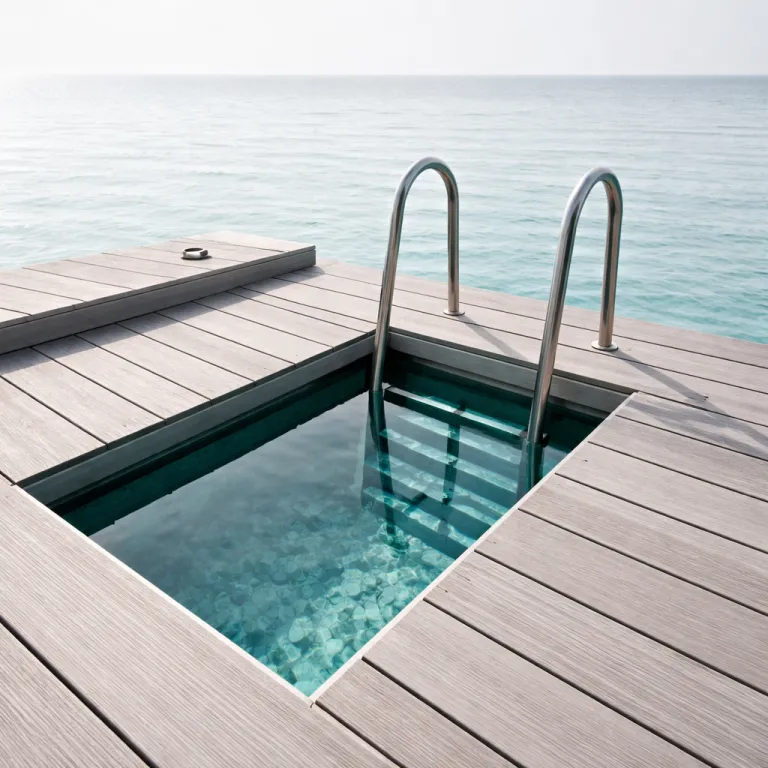
Reading the lagoon: how to choose overwater villa locations that feel genuinely secluded
Choosing where your overwater villa sits in the lagoon is the single decision that most shapes your stay. Many overwater villas look similar online, yet the exact position of each villa or bungalow on the jetty changes noise levels, privacy and the quality of the water beneath your deck. When you compare overwater bungalows across different resorts, focus less on the décor and more on the map of the lagoon and the layout of the jetties.
Start by asking whether the villa is lagoon facing or ocean facing, because this determines wave exposure, current strength and how calm the water will feel when you swim. A lagoon side overwater bungalow usually offers gentler water and easier ladder access, while an ocean side villa can bring dramatic surf noise and deeper water that may not suit nervous swimmers. Couples planning honeymoons overwater often prefer the last few villas on a jetty, where the lagoon is wider and the views feel endless.
Distance from the main island matters more than most five star marketing admits. Overwater villas at the very end of a long jetty often feel wonderfully private, but they can mean a 10 to 15 minute walk back to the main resort restaurants or beach villas under the midday sun. Before you check availability, confirm whether the resort offers buggy service to each overwater bungalow, especially at larger Maldives overwater resorts where jetties can stretch more than 800 m into the lagoon.
In the Maldives, properties such as Sun Siyam Iru Fushi or Sun Siyam Olhuveli typically publish jetty maps that show every overwater villa number, so use these to request a specific location. On the south coast of some islands, overwater bungalows may face prevailing winds, while the north side bungalows enjoy calmer water and clearer glass floor views. When you compare multiple resorts, look for those that share detailed lagoon depth charts and honest descriptions of water villas rather than vague promises of turquoise perfection.
In the bungalows Caribbean region, orientation is just as critical, especially where overwater bungalows sit close to mangroves or river mouths that can cloud the water. A well positioned bungalow in a smaller resort on a sheltered bay can deliver better snorkelling than a poorly placed villa in a famous five star property. Always ask how far your chosen villa is from the nearest beach, how deep the water is at the ladder and whether any boats pass close to your deck during the day.
Glass floors, reef ladders and real water access: decoding the hardware of overwater villas
Many travellers learn how to choose overwater villa options the hard way, when they arrive to find a tiny glass floor panel over murky water. When you evaluate overwater villas online, treat every glass floor as a specific feature with size, placement and water clarity that can be assessed, not as a generic luxury promise. Some resorts place the glass floor in the living room, far from the ladder, while others position it under the bed or dining table for a more immersive lagoon experience.
Look closely at photos to see whether the glass floor panel sits above shallow sand or above deeper water where fish actually pass. A large panel above deep, clear water will give more satisfying views than a narrow strip over a sandy shelf, even in a modestly priced overwater bungalow. In Bora Bora and the Maldives, the best overwater bungalows often combine a generous glass floor with a ladder that drops directly into a swimmable lagoon, rather than into ankle deep water.
Reef access is where the difference between marketing and reality becomes obvious. Ask the resort whether you can swim from your villa ladder to the house reef, or whether you must walk back to the main beach villas to find deeper water. For couples who care about snorkelling, a villa near the reef edge is usually more valuable than an extra star rating or a slightly larger private pool.
Hardware around the deck deserves the same scrutiny as the interior. A so called private pool might be a compact plunge pool of 2 m by 3 m, perfect for cooling off but too small for laps, while other villas offer 10 m infinity pools that feel like extensions of the lagoon. When you check availability, ask for exact pool dimensions, depth and whether plunge pools or larger pools are heated, especially on wind exposed jetties on the south coast of islands.
Resort staff and experienced travel agents know that “What amenities are common in overwater villas?” and “Private decks, direct water access, glass floors.” often sit at the top of guest wish lists. Use that same clarity when you compare resorts, and insist on knowing whether the ladder from your bungalow reaches safe swimming depth at low tide. If you are planning honeymoons overwater, confirm whether the villa’s glass floor and pool face sunrise or sunset, because this will shape how you use the space each day.
For travellers who like the idea of all inclusive luxury with strong water access, some Sandals Resorts in the Caribbean offer overwater bungalows with ladders into calm bays. These bungalows Sandals properties typically include butler service and private pools, but the glass floor size and lagoon depth still vary between Sandals South Coast and Sandals Royal Caribbean. To understand how these hardware details compare with swim up suites on land, read a specialist guide to indulgent all inclusive swim up rooms before you commit.
Transfers, timing and availability: logistics that quietly define your overwater stay
Even the most photogenic overwater villa can disappoint if the journey to reach it is exhausting. When you decide how to choose overwater villa options, weigh transfer logistics as carefully as the villa’s interior design or pool size. A 45 minute seaplane from Malé to a Maldives overwater resort feels very different from a four hour speedboat ride across open water.
Seaplane transfers usually deliver spectacular views of the lagoon and reef systems, but they are daylight only and can be delayed by weather or visibility. Speedboats offer more flexibility and can suit islands closer to the airport, while domestic flights plus short boat rides open up remote atolls where overwater villas feel more secluded. Before you check availability, confirm the full transfer chain, total travel time and whether your arrival or departure might require an overnight stay near the airport.
In the Caribbean, some bungalows Caribbean style properties sit just a short boat ride from the mainland, while others require multiple flights and a longer sea crossing. Sandals Resorts, including Sandals South Coast and Sandals Royal Caribbean, usually bundle transfers into their packages, which simplifies planning for honeymoons overwater. Royal Caribbean cruise itineraries sometimes include day access to overwater bungalows on private islands, but these experiences differ from staying in a full scale overwater resort with your own villa and private pool.
Availability patterns follow weather and school holidays more than star ratings. In the Maldives, peak demand for water villas and beach villas clusters around the driest months, while shoulder seasons often bring better value and softer light over the lagoon. If you are flexible, consider planning your trip during the shoulder season and use a specialist guide to why shoulder season is the smartest move for overwater villa bookings to balance price, weather and crowd levels.
On a practical level, start your research at least six to nine months before your preferred dates, especially if you want a specific villa number or a rare layout with a larger pool. Many resorts release only a limited number of overwater bungalows with plunge pools or extra large decks, and these sell out quickly for popular honeymoon periods. Use resort websites, booking platforms and travel forums to monitor patterns, then work with travel agents or resort representatives to secure the exact villa you want.
Some high end complexes, such as five star overwater clusters in French Polynesia or the Maldives, now offer virtual tours of each villa category. These tours help you understand how far your bungalow sits from the main beach, how deep the water looks under the glass floor and how the private pool relates to the lagoon. For travellers who value curated guidance, a detailed planning resource such as a guide to planning a luxury escape at a five star overwater complex can clarify which logistics matter most for your style of travel.
Privacy, orientation and views: matching villa layout to your style of escape
Privacy in an overwater villa is not just about distance from your neighbours. The angle of your deck, the height of railings and how the villa faces the lagoon or open ocean all influence how secluded you will feel. When you learn how to choose overwater villa layouts, focus on orientation and sightlines rather than only on square metres.
Ask the resort for a jetty map that shows how each villa or bungalow faces the sunrise, sunset and prevailing winds. Sunset facing overwater bungalows often command higher prices, but they can also be warmer in the late afternoon and more exposed to passing boat traffic that comes to watch the sky. Sunrise facing villas may feel calmer and more private, especially for couples who prefer quiet mornings on the deck and do not mind walking to the beach for sunset cocktails.
Views from the interior matter as much as those from the deck. Some water villas position the bed directly toward the lagoon, framing the horizon line, while others orient the main room toward the jetty or neighbouring villas. When you compare resorts, look for floor plans that show window placement, glass floor location and how the private pool aligns with the main view.
In Bora Bora, many overwater villas sit in arcs that face the iconic mountain, while others look toward the open Pacific. A villa with a slightly smaller pool but a direct mountain view can feel more special than a larger plunge pool facing other bungalows. On the south coast of some islands, villas may face stronger winds and rougher water, which can affect how often you use your deck and ladder.
Privacy also depends on elevation and railing design. Low railings and wide open decks create cinematic views but may feel exposed if neighbouring bungalows sit at the same angle, while higher railings or privacy screens can protect you from sightlines at the cost of some lagoon panorama. When you check availability, ask whether any villas have been recently repositioned or extended, as this can change how much of your deck is visible from the main resort walkways.
For couples planning honeymoons overwater, consider whether you want to see the main island lights at night or prefer a darker, more remote feel. Some Maldives overwater resorts place their most private villas far from the beach and restaurants, which suits guests who plan to dine in their villa with butler service. Others cluster overwater bungalows closer to the main resort hub, which works better for travellers who enjoy a short stroll to the bar after a swim in their private pool.
Service, inclusions and star ratings: looking beyond the glossy photos
Star ratings and aerial shots of turquoise water tell only part of the story. When you decide how to choose overwater villa experiences, service culture and inclusions often matter more than the number of cushions on the daybed. A three or four star resort with attentive staff and honest descriptions can deliver a more satisfying stay than a five star property that oversells its lagoon.
Start by examining what is genuinely included in the nightly rate. Some resorts bundle transfers, breakfast and non motorised water sports into the price of overwater bungalows, while others charge extra for everything beyond the villa itself. If you are comparing Sandals Resorts with independent Maldives overwater properties, remember that Sandals South Coast and Sandals Royal Caribbean operate on an all inclusive model that covers dining, drinks and many activities.
Butler service is another area where definitions vary. At some high end island resorts, butler service means a dedicated person who handles unpacking, restaurant reservations and personalised experiences such as floating breakfasts in your private pool. At other properties, the term may refer to a shared concierge team that responds to messages but does not offer the same level of proactive care.
For travellers considering bungalows Caribbean options with brands such as Sandals Resorts, read the fine print on what butler service includes in each villa category. Overwater bungalows with plunge pools and glass floors often sit at the top of the pricing ladder, but the difference between categories can be subtle. Ask whether your bungalow includes priority restaurant bookings, in villa check in and personalised snorkelling or beach experiences.
On cruise operated private islands linked to Royal Caribbean, overwater bungalows usually function as day use cabanas rather than full overnight villas. These can be excellent for a taste of overwater life, with direct water access and sometimes a small plunge pool, but they do not replace the depth of experience you gain from waking up over the lagoon. If you fall in love with the concept during a cruise, use that as a reference point when you later check availability at a dedicated overwater resort.
Resort staff and travel agents remain valuable partners in navigating these nuances. Travel agents act as advisors who help select suitable overwater villas, while resort staff serve as on site hosts who can explain which villa lines have the quietest decks or the deepest water at the ladder. When you combine their insights with your own research on inclusions, you move beyond star ratings to a more accurate picture of value.
Budget, size and safety: aligning your overwater choice with real needs
Overwater villas sit at the premium end of the accommodation spectrum, so clarity on budget and priorities is essential. Average overwater villa size hovers around 100 m², but layouts vary widely between a compact bungalow with a plunge pool and a sprawling villa with multiple bedrooms and a long infinity pool. When you learn how to choose overwater villa categories, think in terms of how you will actually use the space rather than chasing the largest footprint.
Price per night for quality overwater bungalows often starts around 1 000 USD and climbs quickly with private pools, butler service and more exclusive locations. Beach villas in the same resort can be significantly less expensive while still offering easy access to the lagoon and house reef. Couples sometimes choose a split stay, combining a few nights in a water villa with more nights on the beach to balance budget and experience.
Safety is a practical consideration, especially for families or travellers who are not strong swimmers. Some resorts set age limits for overwater bungalows because decks, ladders and railings open directly onto deep water. If you are travelling with children, confirm resort policies in advance and consider starting with beach villas or family suites that offer partial water views without direct lagoon access.
Common questions arise around amenities and suitability for different travellers. “Are overwater villas safe for children?” and “Depends on resort policies; some have age restrictions.” is a typical exchange between guests and resort teams, and it highlights why direct communication matters. “Do overwater villas offer all inclusive packages?” and “Many resorts provide all inclusive options.” is another frequent topic, especially for couples planning honeymoons overwater who want predictable costs.
When you check availability, pay attention to cancellation policies and payment schedules, as overwater villas often carry stricter terms than standard rooms. Review weather patterns for your chosen island, because seasonal storms can affect water clarity, lagoon colour and how often you will want to use your deck or private pool. A slightly lower star rating in a calmer season can deliver a better overall experience than a top tier resort during peak crowds and unsettled weather.
Finally, remember that the most luxurious choice is the one that aligns with your own rhythm. Some travellers thrive in large, social resorts with many overwater villas, multiple pools and a lively beach scene, while others prefer a smaller island with only a handful of bungalows and a quieter lagoon. By matching budget, size, safety and service style to your personal priorities, you turn the overwater dream into a stay that feels both indulgent and deeply comfortable.
Key figures to know before booking an overwater villa
- Average overwater villa size is around 100 m², which typically includes a bedroom, living area and outdoor deck with direct water access, according to aggregated resort data.
- Typical entry level pricing for quality overwater bungalows starts near 1 000 USD per night, based on booking platform comparisons across major Maldives and Bora Bora resorts.
- Many high demand overwater villas with private pools and butler service sell out six to nine months in advance for peak seasons, especially in the Maldives and French Polynesia.
- Guest review analyses on major booking platforms consistently show higher satisfaction scores for villas located near house reefs compared with those over very shallow lagoon shelves.
- Industry reports indicate a steady increase in demand for private pools and eco conscious construction in overwater resorts, reflecting travellers’ preference for both privacy and sustainability.
Frequently asked questions about choosing an overwater villa
What amenities are standard in most overwater villas ?
Most overwater villas include a private deck, direct water access via a ladder and at least one glass floor or viewing panel over the lagoon. Higher category villas often add a private pool or plunge pool, outdoor showers and more expansive indoor living areas. At the premium end, some resorts also provide butler service and in villa dining setups tailored to honeymoons overwater.
How far in advance should I book an overwater villa ?
For peak seasons in destinations such as the Maldives or Bora Bora, plan to book six to nine months ahead, especially if you want a specific villa orientation or a rare layout with a larger pool. Shoulder seasons sometimes allow more flexibility, but the most desirable overwater bungalows still sell out early. Checking availability regularly and working with travel agents or resort representatives improves your chances of securing the exact villa you prefer.
Are overwater villas suitable for families with children ?
Suitability depends on each resort’s safety policies and the age of the children. Some properties welcome families in overwater bungalows but provide extra safety measures, while others restrict these villas to adults because decks and ladders open directly onto deep water. If you are travelling with younger guests, consider starting with beach villas or family suites and confirm all age rules before booking.
Is an overwater villa worth the premium over a beach villa ?
The premium is worthwhile if you value direct lagoon access, uninterrupted views and the experience of sleeping above the water. Beach villas can offer more space for the same price and easier access to facilities, so they suit travellers who prioritise convenience over the novelty of an overwater setting. Many couples choose a split stay, combining a few nights in an overwater villa with more nights on the beach to balance cost and experience.
How can I tell if the water under my villa will be good for swimming ?
Ask the resort for details on lagoon depth at both high and low tide, and whether you can swim from your ladder to the house reef. Look for photos that show guests using the ladder and swimming near the villas, not just aerial shots of the resort. Properties that share honest information about water depth, reef proximity and current strength usually provide more reliable swimming conditions.