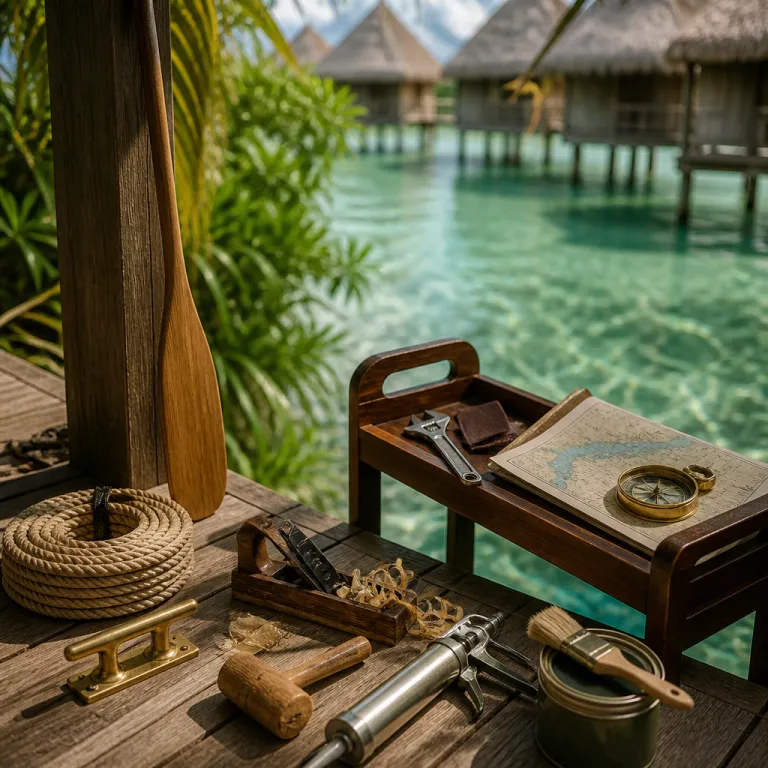
Fiji huts on water for refined lagoon living
Fiji huts on water offer one of the most intimate ways to experience a South Pacific lagoon. These overwater spaces combine traditional Fijian bures with contemporary luxury, giving you direct access to clear water while still enjoying air conditioning, Wi-Fi, and curated amenities. When you choose these overwater bungalows in Fiji, you are booking both a resort stay and a front row seat to reef life beneath your deck, from darting reef fish to the soft glow of plankton after dark.
Across the islands of Fiji, overwater bungalow and bure designs draw on local timber, thatched roofs, and open plan interiors that frame the lagoon like a living artwork. Many overwater bures feature glass floor panels, private ladders to the water, and generous decks where you can watch the sun rise over the bay or set behind a distant island resort. This blend of Fijian craftsmanship and modern comfort helps explain why resort Fiji experiences focused on Fiji overwater stays report consistently strong demand, according to summaries from the Fiji Hotel Association and Fiji Tourism Board, even outside classic peak seasons.
For travelers comparing bungalows Fiji options, the key decision is often how close you want to be to the main island versus a more remote cove island or outer reef. Some guests prefer a lagoon resort close to Nadi for shorter transfers, while others seek Laucala Island style seclusion with only a handful of overwater villas spread across a private bay. One couple described waking before dawn, stepping straight from their bure into the lagoon, and watching the sky turn pink in complete silence. Either way, these Fiji huts on water are usually designed for adults and couples who value privacy, calm, and the gentle sound of water beneath the floorboards.
Likuliku Lagoon Resort and the art of the overwater bure
Likuliku Lagoon Resort on Malolo Island is widely recognised as the pioneer of overwater bures in Fiji. The resort’s ten overwater bures sit in a protected lagoon, giving you calm water for swimming and snorkeling straight from your private deck. Each overwater bungalow here is built in the style of a traditional Fijian bure, yet fitted with luxury finishes that match any high end island resort in the Pacific.
At Likuliku, the overwater bures line a curve of reef where coral gardens lie just a few metres below the surface. These overwater villas are positioned so that every bure faces the lagoon, with uninterrupted views of the sun dipping behind the outer islands each evening. Guests who want both overwater bungalows and easy access to the main resort facilities will appreciate that Likuliku Lagoon keeps its spa, dining, and pool area just a short stroll or boat ride from the overwater jetty.
Couples often choose Likuliku Lagoon Resort for adults focused escapes, honeymoons, or milestone celebrations where privacy matters. The resort’s Fijian team can arrange private dinners on the deck of your overwater bungalow, or guided snorkeling tours that leave directly from the bures’ ladders into the water. If you are comparing Pacific overwater options, this is also a strong alternative to Caribbean overwater bungalows such as those in Jamaica or Aruba, which you can explore in more depth through a dedicated guide to Caribbean overwater bungalows from Sandals Jamaica to Aruba’s private islands.
Fiji Marriott Resort Momi Bay and the curve of the lagoon
Fiji Marriott Resort Momi Bay brings the overwater concept to the main island of Viti Levu, which makes transfers simple after a long flight. The Fiji Marriott property curves around a man made lagoon, with a line of overwater bures stretching from the central bay towards the open ocean. These Fiji huts on water at Momi Bay are ideal if you want the overwater bungalow experience without taking a domestic flight or long boat transfer to a remote island.
At this Marriott resort, the overwater bungalows sit above calm lagoon water, with steps leading down for a quick swim before breakfast. The resort Momi layout means that some overwater bures face the sunrise, while others look towards the main pool and the sun setting over the bay, so it is worth requesting your preferred orientation when you book. Families can stay in land based bungalows water side, while adults seeking more privacy choose the overwater bures that sit furthest from the central facilities.
Fiji Marriott Resort Momi Bay also appeals to business travelers who want to extend a work trip into a lagoon resort stay. The property’s meeting spaces and reliable connectivity make it easy to blend meetings with time in the water, a trend often called bleisure that is reshaping how guests use overwater resorts worldwide, as explored in depth in a guide to the bleisure case for overwater villas and why extending your business trip to the lagoon makes sense. For travelers mapping future journeys, Momi Bay also appears in discussions about how overwater hospitality is evolving beyond classic destinations, a topic examined in analyses of the new map of overwater hospitality that go far beyond Maldives and Bora Bora.
Koro Sun Resort & Rainforest Spa: between reef and rainforest
Koro Sun Resort & Rainforest Spa on Vanua Levu offers a different take on Fiji huts on water. Here, eight overwater bures sit in a calm bay, while the rest of the resort stretches back into lush rainforest with a spa hidden among the trees. This Koro Sun setting lets you combine days in the water with hikes, village visits, and treatments at the rainforest spa that use local botanicals.
The overwater bures at Koro Sun Resort are connected by a wooden boardwalk that arcs across the bay, giving each bure a clear view of the lagoon and the open sea beyond. These overwater bungalows are slightly closer to the shoreline than at Likuliku or Momi Bay, which makes them a good choice if you like to move between the water and land based activities several times a day. Guests often comment that the mix of reef, rainforest, and Fijian village culture here feels more immersive than at some larger island resorts.
At the Rainforest Spa, therapists use traditional Fijian techniques in open air treatment bures where you can hear both the water and the forest. This dual setting means Koro Sun functions as both a sun resort on the bay and a wellness retreat in the hills, with private spaces for adults who want quiet time away from the main pool. For travelers comparing Fiji overwater options, Koro Sun Resort & Rainforest Spa is especially appealing if you value nature, culture, and a slower pace more than a long list of nightlife venues.
Choosing the right Fiji island resort for overwater stays
Selecting the best Fiji huts on water starts with clarifying what kind of island experience you want. If you dream of a remote cove island with only a handful of overwater bungalows, then smaller properties in the Mamanuca or Yasawa groups may suit you better than a large mainland resort. Travelers who prefer easy access to airports and medical facilities often lean towards Fiji Marriott Resort Momi Bay or other resort Fiji options on Viti Levu.
For couples and adults seeking maximum privacy, overwater bures at Likuliku Lagoon Resort or the furthest overwater bungalow rows at Momi Bay offer the quietest settings. Families may choose a mix of bungalows water side on the beach and one overwater unit for special nights, balancing safety with the thrill of sleeping above the lagoon. If you are planning a multi island trip, you could combine a few nights at an island resort such as Musket Cove with time at a mainland Marriott resort, giving you both yacht harbour energy and tranquil lagoon mornings.
Travelers who value wellness should look closely at properties with strong spa programs, such as Koro Sun Resort & Rainforest Spa or high end Laucala Island retreats that integrate treatments with the natural environment. Those who prioritise marine life might focus on resorts that partner with conservation groups and offer guided snorkeling directly from the overwater bungalows. Whatever you choose, remember that demand for Fiji overwater stays is high, with a limited inventory of overwater bures across the country and many nights priced close to 1 000 USD, so booking early is essential if you want specific dates or bure numbers.
Practical tips for booking Fiji huts on water
When booking Fiji huts on water, timing and room selection make a significant difference to your stay. High occupancy levels at overwater resorts mean that the most private overwater bures and corner bungalows Fiji side often sell out months in advance. If you are planning a special occasion, reserve early and contact the resort directly to request a specific overwater bungalow location, sun orientation, or proximity to the spa.
Before confirming your reservation, check tide schedules and typical weather patterns for your chosen island resort or lagoon resort. Some guests prefer higher tides that bring the water closer to the deck of their overwater bures, while others like lower tides that reveal coral heads and sandbanks beneath the bungalows water. It is also wise to ask the resort about any planned maintenance on jetties or boardwalks, as this can affect access to certain Fiji huts on water during your dates.
Responsible travel matters in fragile lagoon environments, so follow resort guidelines about reef safe sunscreen, not standing on coral, and respecting marine life near your overwater bungalow. As the general guidance from Fiji Tourism Board and resort operators notes, “Book early; high demand. Check tide schedules. Respect marine life.” These simple steps help ensure that Fiji overwater experiences remain pristine for future guests, while also supporting local communities and the Fijian economy through sustainable tourism.
Top island destinations in Fiji for overwater escapes
Fiji’s top island destinations for overwater escapes each offer a distinct character. The Mamanuca Islands, home to Likuliku Lagoon Resort and Musket Cove, are known for calm water, easy boat transfers of around an hour from Nadi, and classic lagoon views from every overwater bungalow. Vanua Levu, where Koro Sun Resort & Rainforest Spa sits, feels wilder, with rainforest clad hills rising behind the bay and fewer crowds around the overwater bures.
On Viti Levu, Fiji Marriott Resort Momi Bay brings the overwater concept to a sheltered bay within driving distance of Nadi, which is ideal if you prefer shorter transfers. Smaller cove island retreats and private Laucala Island style properties cater to guests who want complete seclusion, often with only a handful of Fiji huts on water and extensive private beaches. These island resorts usually include high end spa facilities, private guides, and tailored excursions that make full use of the surrounding lagoon and reef systems.
When comparing these destinations, think about how you like to spend your days. If you want to sail between islands, Musket Cove and nearby marinas offer easy yacht access alongside overwater bungalows and beachfront bures. If you prefer to stay in one place, a lagoon resort such as Likuliku Lagoon or a bay focused property like Momi Bay will give you everything on site, from dining and spa treatments to cultural evenings with Fijian music and dance.
Key figures on Fiji overwater stays
- Fiji currently offers a relatively small number of overwater bures across its main overwater resorts, which explains why early booking is strongly recommended (based on Fiji Tourism Board and resort websites).
- Typical nightly rates for Fiji huts on water often hover around 1 000 USD per bure at premium properties, placing these stays firmly in the luxury segment and reflecting the high construction and maintenance costs of overwater structures (Fiji Hotel Association and resort pages).
- Industry reports indicate that occupancy for Fiji overwater bungalows can approach 85 % across the year at leading resorts, signalling consistently strong demand even outside traditional peak seasons (Fiji Hotel Association summaries).
- Three flagship properties — Likuliku Lagoon Resort, Fiji Marriott Resort Momi Bay, and Koro Sun Resort & Rainforest Spa — together account for a significant share of the country’s premium overwater offering, with around ten overwater bures at Likuliku, roughly twenty two at Momi Bay, and eight at Koro Sun (resort information).
FAQ about Fiji huts on water
What is a bure in Fiji and how does it differ from a bungalow ?
A bure is a traditional Fijian thatched roof hut, historically built from local timber and palm materials. Modern resort bures keep the same shape and cultural references but add concrete foundations, air conditioning, and luxury interiors. Overwater bungalows in Fiji are often called overwater bures to highlight this Fijian architectural heritage.
Are overwater bures in Fiji safe during storms ?
Overwater bures in Fiji are built to high safety standards, with strong foundations anchored into the lagoon floor and structures engineered for local weather conditions. Resorts monitor forecasts closely and have detailed procedures for heavy rain or strong winds. If conditions require, guests may be temporarily moved from Fiji huts on water to land based rooms for maximum safety.
Do Fiji overwater bungalows have air conditioning and modern amenities ?
Yes, overwater bures at leading properties such as Likuliku Lagoon Resort, Fiji Marriott Resort Momi Bay, and Koro Sun Resort & Rainforest Spa include air conditioning, quality bedding, and modern bathrooms. Many also feature glass floor panels, private decks, and direct ladders into the water. These amenities allow guests to enjoy the romance of traditional Fijian design without sacrificing comfort.
How far in advance should I book Fiji huts on water ?
Because Fiji has a limited number of overwater bures and occupancy at popular resorts can average around 85 %, it is wise to book several months in advance, especially for peak holiday periods. Travelers planning honeymoons or milestone celebrations often reserve a year ahead to secure specific bure numbers or locations. Last minute availability does occur, but choices are usually limited to remaining units rather than the most private Fiji huts on water.
Is staying in an overwater bure suitable for families with children ?
Some Fiji overwater resorts accept children, while others, such as certain adults only sections, restrict overwater bures to guests over a set age. Families should check age policies carefully and consider whether young children will be safe around open decks and direct water access. In many cases, a combination of beachfront bures and supervised daytime visits to overwater areas offers a good balance between safety and the overwater experience.