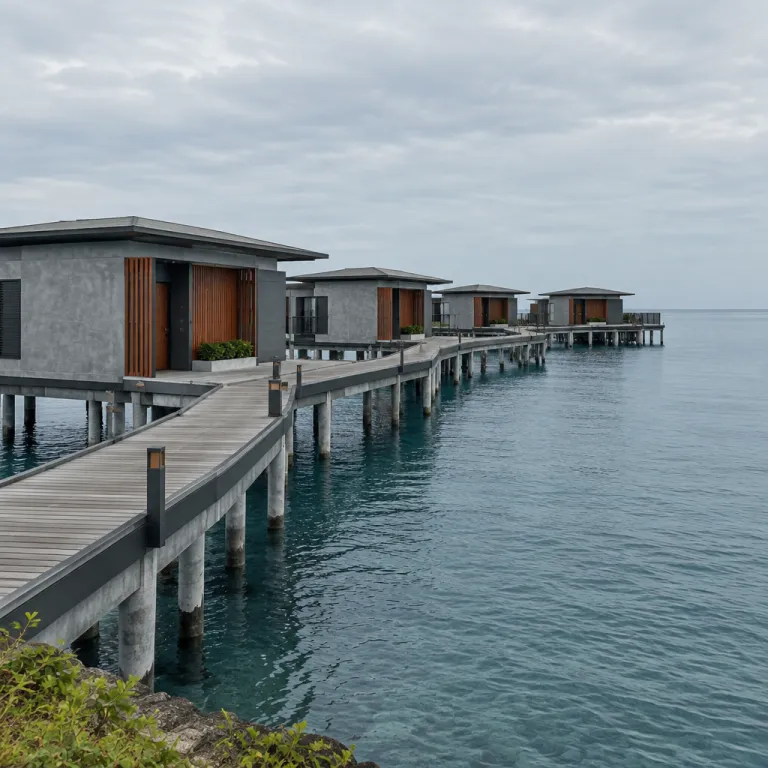
Planning a stay in an overwater villa starts long before you arrive at the resort. The first impression now happens on the hotel website, where a refined booking engine and transparent rates shape your expectations. Understanding the overall website cost and the integrated booking engine quote helps you evaluate whether the digital experience truly matches the promise of a luxury stay.
For overwater properties in Italia and beyond, the website has become a strategic asset rather than a simple brochure. Owners want to reduce dependence on OTA platforms, regain control of their bookings, and present exclusive rates that reward loyalty. A clear and realistic hotel website estimate with an integrated booking engine is therefore essential for any property that wishes to attract premium travellers directly.
Behind every elegant reservation page, there is a structured process between the hotel and a specialized web agency or freelance partner. The hotel or struttura ricettiva acts as the client, requesting a site with an integrated booking engine that reflects its overwater villas and premium services. The web agency or freelance provider then prepares a detailed booking engine quote and full website proposal, including design, development, integration, and ongoing support.
In Italia, recent analyses of web quotes and agency price lists show a wide range of investment levels. A basic but professional site for a small number of rooms can start from roughly €3,000–€6,000 for design and development, plus €80–€150 per month for hosting and software licences. However, luxury overwater properties that require multilingual content, rich media, and advanced booking options should expect an initial budget between €12,000 and €30,000, with recurring fees that can reach €300–€800 per month depending on traffic, integrations, and support.
To make these figures more concrete, Italian digital agencies that specialise in hospitality, such as boutique studios in Lombardia and Veneto, often publish sample hotel website estimates in this range, while surveys by national hotel associations indicate that premium resorts allocating less than €10,000 to their digital presence struggle to maintain competitive direct booking performance over three to five years.
The booking engine is the technological heart of the direct reservation experience. For overwater villas, it must present room categories, views, and exclusive rates with clarity, while remaining easy to use on mobile devices. When you evaluate the cost of the integrated booking engine, check whether the engine is fully embedded in the site or simply linked externally, because this affects both usability, conversion, and long term control over the booking process.
A modern booking engine for a premium hotel should manage complex rates, flexible stay lengths, and multiple room combinations. It must handle bookings in real time, prevent overbooking, and show when certain dates are fully booked without frustrating the guest. The best solutions also allow the hotel to create tailored offers, such as romantic overwater packages or long stay options with added services, and to adjust rates by day or season with simple, intuitive tools.
From the guest perspective, the booking process should feel fluid, secure, and transparent. Each step, from selecting the room to confirming the reservation, needs to be clearly explained with no hidden fees or confusing rates. When a hotel invests carefully according to a well structured website and booking engine quote, the result is a reservation flow that inspires trust, encourages direct bookings, and reduces the need for guests to compare every option on external platforms.
Luxury travellers expect more than a simple room listing when they plan an overwater stay. They look for immersive visuals, detailed descriptions of the villas, and clear information about services included in the rates. A thoughtful hotel website budget therefore includes design work that showcases the properties in a way that reflects their real world atmosphere, with professional photography, video, and room comparison tools that help guests choose the right villa for their stay.
Technology innovations now allow hotels to personalise the online experience for each visitor. A sophisticated booking engine can show tailored offers based on the length of stay, travel dates, or guest preferences. When you read about the cost of the integrated booking engine, verify whether these personalisation features are included or offered as additional options, and whether the system can highlight loyalty benefits or upsell services such as spa treatments and private transfers.
Direct booking strategies for overwater villas increasingly rely on loyalty oriented features. Some booking engines integrate loyalty modules that recognise returning guests, apply exclusive rates, or offer benefits such as late check out or complimentary experiences. Including these loyalty tools in the overall website and booking engine budget can significantly improve long term revenue and guest retention, especially when combined with email marketing and simple, clear enrolment during the reservation process.
Payment flexibility is another crucial element in the premium segment. Guests often expect to pay with multiple cards, digital wallets, or even split payments for longer stays, especially when travelling as a couple or family. A complete hotel website and booking engine quote should therefore cover secure payment gateways, compliance with regulations, and clear communication of pay conditions during the booking process, including deposits, cancellation rules, and when the remaining balance will be charged.
For overwater properties, being fully booked on key dates is both a goal and a challenge. A well integrated booking engine helps the hotel manage demand peaks, adjust rates dynamically, and protect availability for direct bookings. When you analyse the cost of the booking engine, ask whether the system can handle yield management rules, minimum stay restrictions, and exclusive rates for direct guests without requiring constant manual intervention from the revenue team.
Multilingual capabilities are particularly important for overwater villas that attract an international audience. The website and booking engine must present room details, rates, and reservation conditions in several languages without losing clarity. A serious hotel website quote will specify translation management, language switching, and how content is updated across all versions, as well as whether the booking engine can show currency options that match the guest’s location.
Mobile first design is no longer optional for the luxury travel market. Many guests research and complete bookings on smartphones during breaks in their day, comparing options and rates quickly. The hotel website and booking engine proposal should therefore include responsive design, fast loading pages, and a booking process optimised for touch navigation, with large buttons, simplified forms, and the ability to save a reservation and complete payment later.
Behind the visible interface, integration with channel managers and PMS systems is essential for operational efficiency. Overwater properties often sell rooms through several channels, and the booking engine must synchronise availability and rates to avoid errors. When reviewing the website and booking engine cost, confirm whether these connections are included and whether they rely on stable APIs, as well as any extra fees charged by providers such as SiteMinder, Cloudbeds, or similar platforms.
Support quality can make a decisive difference in daily operations. A hotel that offers overwater stays in remote locations needs reliable technical support, especially during high season when the calendar is almost fully booked. A transparent website and booking engine quote should detail support hours, response times, and whether assistance is available every day, including weekends and holidays, with clear escalation procedures for urgent issues that affect live bookings.
Security and data protection are central concerns for both hotels and guests. The booking engine processes sensitive information, including payment data and personal details related to each stay. Any serious hotel website estimate must therefore include SSL certificates, secure hosting, regular updates, and clear procedures for incident management, following guidelines from organisations such as the PCI Security Standards Council and national data protection authorities.
From a strategic perspective, the website and booking engine should give the hotel full control over its digital presence. Overwater properties that rely too heavily on OTA platforms risk losing margin and direct contact with guests. Investing according to a well planned website and booking engine budget allows the hotel to manage its own rates, offers, and loyalty programmes with greater autonomy, while using OTAs as complementary channels rather than the primary source of bookings.
For travellers, the benefits of this investment are tangible at every step of the journey. A refined booking engine with clear options and transparent rates reduces friction and uncertainty during the reservation. When the hotel has followed a thoughtful website and booking engine quote, guests can book with confidence, knowing that the information on the site reflects the real experience awaiting them over the water and that their stay has been planned with care from the very first click.
Typical cost components at a glance
- Design & UX: Visual identity, page layouts, mobile optimisation.
- Booking engine licence: Monthly or per-booking fee for the reservation system.
- Integrations: Channel manager, PMS, payment gateway, loyalty tools.
- Hosting & security: Server, SSL, backups, performance monitoring.
- Content & translations: Copywriting, photography, multilingual updates.
- Support & maintenance: Technical help, updates, training for staff.
Sample itemised estimate for a 30-villa overwater resort
- Initial design & development: €14,000 (UX, templates, CMS, mobile optimisation)
- Booking engine setup: €3,000 (configuration of room types, rates, policies)
- Photography & video: €4,000 (shooting, editing, room and experience galleries)
- Integrations: €2,500 (PMS, channel manager, payment gateway, loyalty module)
- Translations: €1,500 (English, Italian, plus one additional language)
- Monthly recurring costs: €520 (hosting, booking engine licence, support, monitoring)
This example reflects mid-range quotes collected from Italian hospitality agencies in 2023–2024 and aligns with benchmarks shared by regional hotel consortia for independent four and five star properties.
FAQ
- How much does a basic hotel website with booking engine cost?
For a small property, expect around €3,000–€6,000 for the initial build and €80–€150 per month in recurring fees. - What about a luxury overwater villa resort?
Premium projects with advanced booking options, rich media, and multiple languages typically range from €12,000 to €30,000, with €300–€800 per month for licences, hosting, and support. - Are per-booking commissions still common?
Yes. Some vendors charge 3–5% per direct booking instead of a fixed monthly fee, so it is important to compare models based on your expected volume. - Which providers work with overwater properties?
Vendors such as D-EDGE, SiteMinder, and Vertical Booking often appear in case studies for resorts and boutique hotels, offering integrated booking engines and channel management. - How long does the full project usually take?
A standard redesign with a new booking engine typically requires 8–16 weeks from initial brief to launch, depending on content readiness and the number of integrations.
References
- UNWTO – World Tourism Organization
- European Commission – Digital Single Market and consumer protection
- PCI Security Standards Council – Payment security guidelines