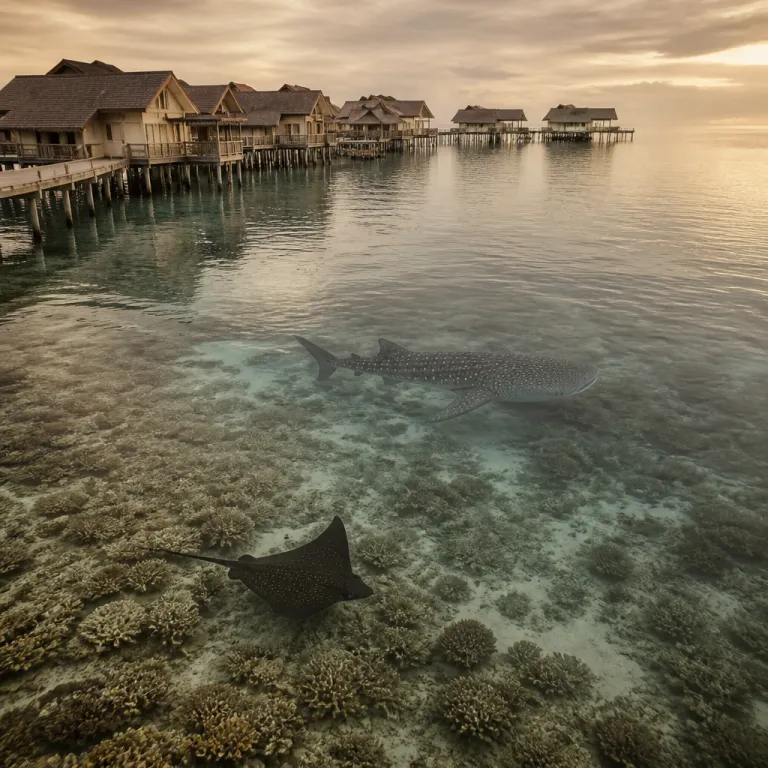
Why this maldives manta ray season window matters for overwater stays
Right now the maldives manta ray season is in that rare overlap where big animals and better visibility share the same water. From September into early November, the southwest monsoon still fuels plankton rich currents, yet the seas begin to calm and the light sharpens over each island lagoon. For travelers booking overwater villas, this is the best time to turn a private deck into a front row seat for manta rays and whale sharks.
Across the islands of the atoll Maldives chain, this shoulder period is when reef manta populations gather in serious numbers, while oceanic manta individuals cruise deeper channels. The same season also keeps whale sharks lingering around South Ari, where maldives diving boats run short hops from overwater jetties to the outer reef. If you time your trip to this manta season window, you can step from your villa ladder into clear water in the morning, then dive with manta rays and whale sharks by afternoon.
Think of the maldives manta ray season not as a single month, but as a curve that peaks differently in each atoll. Baa Atoll and Hanifaru Bay usually hit peak manta intensity earlier in the ray season, while South Ari keeps whale shark encounters going later as the northeast winds settle. The sweet spot for many guests is the period when peak manta action overlaps with improving surface conditions, giving you calmer crossings to bay Maldives hotspots and more comfortable nights in an overwater villa.
For comparison, manta encounters in Hawaii or Bali Indonesia can be excellent, yet they rarely combine such dense aggregations with this level of overwater luxury. In the Maldives, the islands are low, the atolls broad, and the marine life swims almost under your bed. That is why the maldives best overwater addresses sell out quickly for this specific manta ray and whale shark season.
Baa Atoll and Hanifaru Bay versus South Ari from your villa ladder
If your priority is sheer numbers of manta rays, Baa Atoll and Hanifaru Bay remain the best manta arena in the Maldives. Between June and October, plankton funnels into Hanifaru Bay and creates peak manta feeding frenzies, with reef manta groups barrel rolling in tight formation. By September, the maldives manta ray season here often coincides with slightly calmer seas, which makes the speedboat ride from your island more comfortable.
Staying in an overwater villa inside Baa Atoll Maldives means you can snorkel your house reef at sunrise, then join a regulated session in Hanifaru Bay later that morning. The bay Maldives rules limit diving with tanks, so most encounters are snorkel only, but the spectacle of dozens of manta rays circling below you is intense. If you want a quieter rhythm after the chaos of Hanifaru Bay, choose an island where the house reef still hosts a few passing manta individuals on the outer slope.
South Ari tells a different story during the same manta season, with whale sharks as the headline act. Here, the south facing reef edge acts like a slow moving buffet line, and maldives diving boats fan out to find the silhouettes of whale sharks cruising just below the surface. Many overwater resorts in South Ari sit close enough to the reef that you can finish a dive with manta ray cleaning stations, then be back on your villa deck before your hair has fully dried.
When you compare Baa Atoll and South Ari, think of Baa as the peak manta theatre and South Ari as the long running whale shark residency. Baa and Hanifaru Bay deliver the best manta density in a compact bay, while South Ari offers more consistent year round whale shark encounters with bonus manta rays at certain sites. If you are used to manta trips in Hawaii or Indonesia, the combination of reef manta and whale sharks in one atoll feels almost excessive, especially when your surface interval happens in a private pool above the lagoon.
For travelers weighing other lagoon heavy escapes such as a Bora Bora over the water bungalow stay, it is worth reading a detailed guide on how to choose the right island resort before committing. A resource like planning a Bora Bora over the water bungalow escape helps you understand how reef access, bay orientation, and transfer logistics shape your daily encounters with marine life. Apply the same thinking to the Maldives, and you will quickly see why Baa and South Ari dominate any serious maldives manta ray season short list.
House reef versus sand lagoon: overwater villas that earn the surcharge
Not every overwater villa in the Maldives is equal when it comes to marine life, especially during the maldives manta ray season. Some jetties stretch over a pale sand lagoon with almost no coral, while others sit above a living house reef where parrotfish graze and rays cruise past your ladder. For a solo explorer who cares about manta ray encounters and maldives diving access, that difference matters more than the size of the plunge pool.
A strong house reef usually drops from one to three metres near shore to eight to fifteen metres along the outer wall, which is ideal for both snorkeling and casual diving. In the right atoll Maldives location, this slope becomes a highway for reef manta individuals during the manta season, especially around cleaning stations where they hover above coral heads. When the ray season peaks, you might see manta rays gliding along the edge at dawn, then spot smaller rays and turtles below your villa by late afternoon.
To verify house reef quality before you book, start with recent guest snorkel reports and unedited photos. Look for mentions of reef manta sightings, oceanic manta encounters in deeper channels, and repeat whale sharks visits in South Ari, rather than generic comments about “lots of fish”. If a property employs a resident marine biologist, that is usually a sign they take maldives best practices for reef protection seriously and can brief you on the best time and tide for manta ray viewing.
Resorts that sit on the outer rim of an atoll, especially in Baa and South Ari, tend to have stronger currents and richer marine life than those deep inside a lagoon. That can mean slightly choppier water on windy days, but it also means more frequent manta rays and better maldives diving right from the jetty. If you prefer calmer conditions, choose an island on the leeward side of the atoll during this season, where the bay Maldives surface stays smoother while still funnelling plankton along the reef.
For context beyond the Maldives, look at how French Polynesia handles reef focused resorts, where guides to Moorea all inclusive lagoon escapes often highlight which properties sit closest to passes with shark and ray traffic. The same logic applies here, where the maldives manta ray season rewards islands that face the right channels at the right month. When you match an overwater villa to a healthy house reef, the surcharge finally feels justified, because the best manta and whale shark encounters start at your own steps.
Booking strategy now: transfers, timing and value before the seas fully calm
With the maldives manta ray season currently peaking, this is the moment to lock in stays for the next few weeks while availability and value still align. As the northeast monsoon approaches, seas calm and skies clear, which is wonderful for sunsets but gradually dilutes the plankton soup that draws manta rays into tight groups. The art is to arrive while there is still enough current and food in the water for peak manta behaviour, yet calm enough seas for comfortable crossings between islands and atolls.
When you plan your route, pay attention to how you will move between the airport and your chosen island, because transfer timing shapes your first manta ray encounters. Some atoll Maldives resorts require a seaplane, others a speedboat, and a few use a combination, which affects both cost and arrival time. A practical guide such as choosing your Maldives transfer by villa, budget and bedtime can help you decide whether to prioritise a shorter hop to Baa for Hanifaru Bay or a later flight to South Ari for whale sharks.
If you are comparing this maldives manta ray season with options in Bali Indonesia or other parts of Indonesia, remember that the Maldives is almost entirely about atoll structures. That means more predictable channels, clearer separation between inner lagoon and outer reef, and a tighter link between specific islands and specific marine life patterns. In places like Hawaii, manta rays often gather at fixed night diving sites, while here the best manta and ray season experiences can unfold right below your villa if you choose the right reef.
For many solo travelers, a brand such as Club Med in the Maldives offers a straightforward way into this world, with packages that bundle transfers, meals, and guided maldives diving. If you prefer more independent exploration, smaller luxury properties in Baa and South Ari will often arrange private dhoni charters to chase peak manta and whale shark encounters at your own pace. Either way, the best time to secure the maldives best overwater villas for this ray season is now, before the calendar flips and the manta season energy shifts offshore.
By the time the seas fully calm, you will still have beautiful conditions, but the density of manta rays in places like Hanifaru Bay and the outer edges of Ari Atoll will begin to thin. The maldives manta ray season never ends overnight, yet the difference between peak manta weeks and the quieter shoulder month is obvious once you are in the water. If you want the best manta stories to bring home, this is the window to step off your deck and into the current.
FAQ about the maldives manta ray season and overwater villas
When is the best time to see manta rays in the Maldives ?
The best time to see manta rays in the Maldives is generally from May to November, during the southwest monsoon when plankton levels are higher. Within that window, September to early November often combines strong manta activity with improving sea conditions. Baa Atoll and Hanifaru Bay usually peak earlier, while South Ari can hold manta and whale shark encounters later into the season.
Which atoll is better for manta rays, Baa or Ari ?
Baa Atoll is better if you want intense manta aggregations in a compact area such as Hanifaru Bay, where dozens of reef manta individuals can feed together on plankton. Ari Atoll, especially South Ari, is stronger for consistent whale shark sightings with bonus manta rays at cleaning stations along the outer reef. Many travelers split their stay between the two atolls to experience both peak manta action and reliable whale shark encounters in one trip.
Do I need to be a certified diver to enjoy the maldives manta ray season ?
You do not need to be a certified diver to enjoy the maldives manta ray season, because many of the best encounters happen while snorkeling. Hanifaru Bay, for example, is snorkel only, and house reefs around overwater villas often host manta rays, turtles, and reef sharks in shallow water. Diving certification simply opens more sites in deeper channels, where oceanic manta individuals and larger pelagic species sometimes appear.
How can I check if a resort has a good house reef for mantas ?
To check house reef quality, read recent guest reviews that mention specific marine life such as manta rays, whale sharks, and turtles rather than vague comments about “fish”. Look for reef maps on the resort website, ask about a resident marine biologist, and request details on cleaning stations or known manta routes near the island. Properties on the outer edge of an atoll, especially in Baa and South Ari, usually have stronger currents and richer reefs than those deep inside a sheltered lagoon.
Are manta ray and whale shark encounters guaranteed in the Maldives ?
No operator can guarantee manta ray or whale shark encounters in the Maldives, because these are wild animals that follow food and currents. However, visiting during the core maldives manta ray season and choosing atolls such as Baa and South Ari significantly increases your chances. Booking multiple excursions and staying near known aggregation sites gives you the best odds of memorable encounters from your overwater base.