From glass floors to closed loops: what eco luxury overwater really means
A sustainable overwater resort with zero waste eco luxury ambitions looks very different from the classic postcard villa. The focus shifts from decorative glass floors to closed loop systems where every drop of water, every watt of energy and every amenity is tracked for its environmental impact and long term sustainability. For solo travelers used to traditional luxury hotels, this new generation of eco resorts asks you to think about how your private lagoon ladder, your reef and your carbon neutral footprint intersect.
At Four Seasons Resort Lanai in Hawaii, the partnership with Boomerang Water shows how a large luxury resort can move towards a zero waste model without diluting the guest experience. The property uses an on site closed loop water bottling system where water is purified, bottled in reusable containers and recirculated, which directly answers the question many guests now ask ; “What is a closed-loop water bottling system? A system where water is purified, bottled, and reused on-site, eliminating waste.” This single innovation has contributed to a reported 95 percent reduction in single use plastics, a figure that sets a benchmark for other luxury resorts and overwater hotels considering similar technology.
For you as a guest, the shift to eco friendly operations often feels surprisingly seamless. You still book a luxury overwater villa with a private deck, direct water access and attentive service, but behind the scenes renewable energy systems, on site composting and careful waste sorting keep the resort’s environmental footprint in check. When you compare sustainable luxury properties, look for clear explanations of how they manage water, energy and waste rather than vague eco labels or generic sustainability promises.
Solar roofs, battery banks and the new energy language of overwater stays
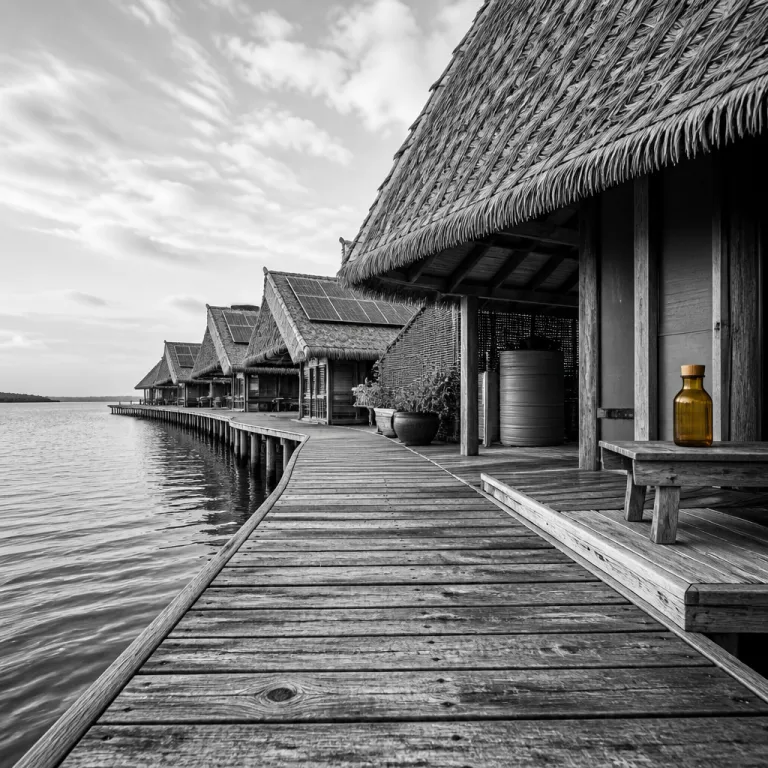
The most ambitious sustainable overwater resort zero waste eco luxury projects now start with the roof rather than the pool. Solar panels are integrated into villa structures so that each private unit quietly generates renewable energy while you sleep, charge devices or run the ceiling fan over the lagoon. For a solo explorer, this means your luxury travel footprint can shrink dramatically without sacrificing comfort or reliable air conditioning.
In the Maldives and French Polynesia, several luxury resorts are moving towards fully solar powered operations, pairing extensive panel arrays with battery storage that smooths out cloudy days and night time demand. Some island lodges publish detailed sustainability reports that show how much energy each villa produces and consumes, giving guests a rare level of transparency about environmental impact and long term sustainability planning. When you compare eco resorts during booking, prioritise those that explain their renewable energy mix clearly and avoid generic claims that they are simply eco friendly or green.
Properties such as Bawah Reserve in Indonesia, Soneva Fushi in the Maldives and remote lodges like Tierra Patagonia in Chile illustrate different paths to sustainable luxury. Bawah Reserve combines solar power with careful water management and strict limits on guest numbers, while Soneva Fushi has become a reference point for luxury eco innovation in the overwater space. If you are researching sustainable partners for eco conscious travel in regions like Cairns, guides to sustainable luxury accommodations and eco friendly tour partners can help you align your booking with properties that treat energy, water and waste as seriously as design and service.
Reefs first: coral safe construction and breathing foundations beneath your villa
Under the deck of a sustainable overwater resort with zero waste eco luxury ambitions, the real story is often hidden in the pilings. Traditional concrete stilts can create dead zones where coral struggles, but new coral safe construction techniques use 3D printed panels and textured surfaces that encourage marine life to colonise the structure. For a traveler who cares about sustainability, the ladder where you descend into the reef should lead to living coral rather than a grey underwater car park.
Some forward thinking eco resorts now install modular coral panels beneath overwater villas, turning each support column into a miniature reef nursery. These systems are often combined with “breathing foundations”, flexible pier structures engineered to rise with sea levels and reduce long term environmental impact on fragile lagoons. When you book an overwater hotel, ask whether the resort has a coral restoration programme, a resident marine biologist and clear guidelines on reef safe sunscreen, because these details signal serious sustainable luxury rather than marketing language.
Destinations such as Song Saa Private Island in Cambodia, Alila Villas at Zighy Bay in Oman and remote eco lodges in Patagonia show how different coastlines adapt similar principles. Song Saa Private Island has long used its marine reserve as the heart of its eco luxury story, while Alila Villas Zighy Bay integrates local stone and careful coastal engineering to protect the bay. For a deeper dive into how next generation overwater resorts are built for the reef first, resources like this guide to coral safe construction and reef friendly foundations can help you evaluate whether a luxury resort is truly aligned with marine conservation.
Zero waste in practice: from refillable amenities to composted breakfast peels
Zero waste has become a popular phrase in luxury hotels, but in a serious sustainable overwater resort with zero waste eco luxury ambitions it translates into very specific daily rituals. Single use plastics disappear from guest rooms, replaced by refillable glass bottles, ceramic amenity dispensers and reusable containers that circulate through the property. For you as a guest, the experience feels more refined, with fewer branded wrappers and more tactile, durable materials.
At properties following strict zero waste to landfill standards, everything from kitchen scraps to housekeeping supplies is tracked, sorted and either composted, recycled or repurposed. On site composting turns breakfast peels into soil for hydroponic gardens or island herb beds, while closed loop water systems similar to the Boomerang Water model at Four Seasons Resort Lanai eliminate the need for imported plastic bottles. When you walk the boardwalk between villas and see herbs growing in hydroponic trays suspended above the water, you are looking at sustainability woven directly into the resort’s design language.
For solo travelers, these systems can actually simplify daily choices. You refill a stainless steel bottle at filtered water stations, use reef safe sunscreen provided in bulk dispensers and sort any remaining waste into clearly labelled bins that match the resort’s environmental goals. When comparing luxury hotels and eco resorts during booking, look for detailed explanations of waste streams, composting and recycling rather than vague eco friendly badges, because the best eco and luxury eco properties treat zero waste as a measurable operational discipline.
The new guest journey: marine briefings, impact reports and smarter booking choices
Staying at a sustainable overwater resort with zero waste eco luxury credentials now starts long before you step onto the private island jetty. The most transparent luxury resorts share impact reports, sustainability data and clear environmental commitments on their booking pages, allowing you to align values and expectations before you confirm your stay. For a solo explorer planning luxury travel, this information is as important as villa size, pool length or the exact distance from bed to water ladder.
On arrival, many eco resorts now include a short marine or sustainability briefing alongside the welcome drink, often led by a resident biologist or conservation manager. You might learn how the lodge manages energy, why reef safe sunscreen is mandatory and how guests can participate in coral nursery work or beach cleanups during their stay, turning passive luxury into a more engaged form of sustainable luxury. Some properties share quarterly or annual impact updates that track reductions in plastic waste, energy use and carbon emissions compared with conventional resort models, echoing the way Four Seasons Resort Lanai reports its 95 percent cut in single use plastics.
For your own planning, treat sustainability filters on booking platforms as a starting point rather than a final verdict. Read how each hotel or resort defines eco luxury, ask specific questions about renewable energy, water treatment and waste management, and compare how properties like Soneva Fushi, The Brando, Song Saa Private Island, Tierra Patagonia, Alila Villas Zighy Bay and other carbon neutral focused luxury hotels describe their environmental impact. If you are flexible on dates, consider travelling in shoulder season and use guides to smart shoulder season overwater villa bookings to reduce crowding pressure on fragile islands while often securing better rates and more attentive experiences.
FAQ
How do I verify that an overwater resort is genuinely sustainable ?
Look for detailed sustainability reports, third party certifications and clear explanations of how the resort manages energy, water and waste. Serious eco resorts will describe renewable energy systems, closed loop water bottling, composting and recycling in concrete terms rather than relying on generic eco friendly language. If information is vague or missing, contact the hotel directly and ask specific questions about their environmental impact and long term sustainability goals.
What is a closed loop water bottling system and why does it matter ?
A closed loop water bottling system purifies, bottles and reuses water on site, eliminating the need for imported single use plastic bottles. This approach reduces waste, lowers transport emissions and gives guests confidence that their drinking water is both safe and environmentally responsible. Luxury resorts such as Four Seasons Resort Lanai use partners like Boomerang Water to implement these systems as part of broader zero waste strategies.
Can a luxury overwater stay really be carbon neutral ?
Some luxury resorts aim for carbon neutral operations by combining aggressive energy efficiency, on site renewable energy generation and verified carbon offset projects. True carbon neutrality requires transparent accounting of emissions from electricity, transport, food and construction, followed by credible reductions and offsets. When a hotel claims to be carbon neutral, look for published data, independent verification and clear descriptions of how emissions are measured and mitigated.
What should I pack for an eco friendly overwater villa holiday ?
Bring a reusable water bottle, reef safe sunscreen, lightweight clothing that dries quickly and minimal single use plastics. Many eco resorts provide refillable bathroom amenities and filtered water stations, so you can reduce waste by using what the lodge supplies. If you plan to join conservation activities, pack water shoes, a rash guard and any snorkelling gear you prefer, although most luxury resorts will offer high quality equipment on site.
Do zero waste policies limit comfort or service levels in luxury resorts ?
In well run sustainable luxury properties, zero waste policies usually enhance rather than reduce comfort. You may notice fewer disposable items and more durable materials, but service standards, privacy and amenities remain firmly in the luxury category. If anything, the attention to detail required for serious sustainability often translates into more thoughtful design, better quality products and a deeper sense of place during your stay.