Where is Moorea and how does this island fit into French Polynesia ?
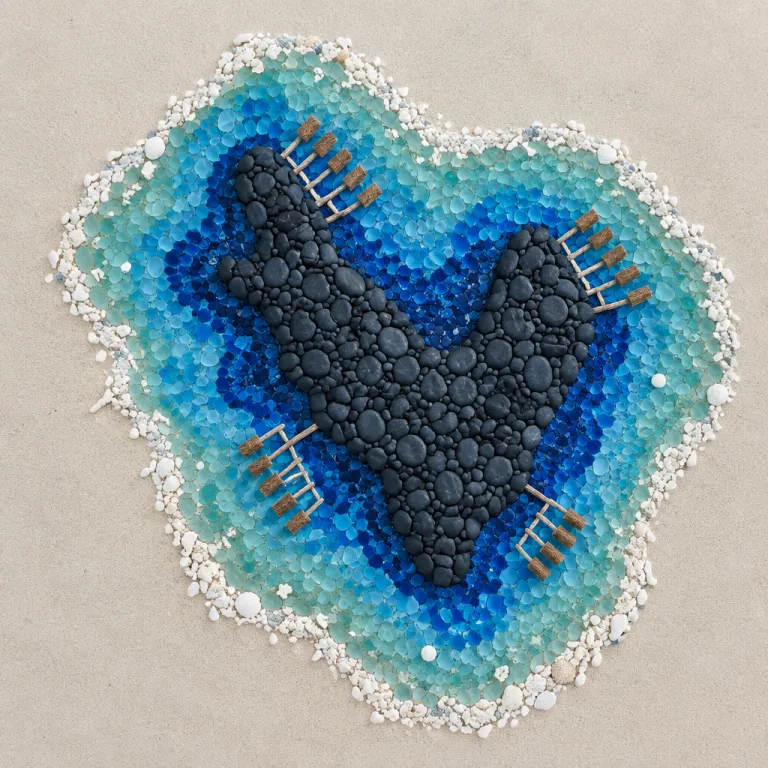
Moorea is a heart shaped island in French Polynesia, floating just 17 kilometres across the sea from Tahiti. This lush island belongs to the Society Islands group, the same archipelago that includes Bora Bora and other famous islands Tahiti travellers often combine in one itinerary. When people ask where Moorea is, they usually picture a dramatic bay, a turquoise lagoon, and overwater villas set above crystal clear shallows.
Geographically, Moorea sits northwest of Tahiti across a short channel that the Tahiti Moorea ferry crosses in under an hour. The island is framed by two deep indentations, Cook Bay and Opunohu Bay, which cut into the volcanic massif and create a spectacular setting for a luxury bay hotel or private villa. These bays are also gateways to the Moorea lagoon, where clear waters shelter rich marine life and white sand motus that feel far from the main islands.
Moorea forms part of the Windward Society Islands, which also include Tahiti and several smaller islands. When you plan a visit to multiple islands Tahiti travellers often start in Papeete, then add a half day transfer by ferry to Moorea before flying on to Bora Bora. This routing keeps travel times short each day and maximises your experience of different lagoons, from the wide Moorea lagoon to the narrower reef passes of other islands.
How to reach Moorea from Tahiti and plan your first day on the island
Understanding Moorea’s location helps you plan a smooth arrival from Tahiti with minimal stress. Most visitors land at Faa’a International Airport on Tahiti, then transfer by road to the ferry terminal for the short Tahiti Moorea crossing. The ferry runs several times a day, typically from early morning to late afternoon, so you can usually enjoy a relaxed schedule and still reach your villa before sunset.
The Tahiti to Moorea ferry ride takes around 30 to 45 minutes, giving you your first real experience of the Society Islands from the water. As you leave Tahiti behind, the silhouette of Moorea rises ahead, with the jagged peaks above Cook Bay and Opunohu Bay forming a dramatic skyline. On clear days the cruise across offers views of multiple islands Tahiti shares this ocean with, and the crystal clear colour shift of the lagoon as you approach the reef.
For travellers used to seaplanes in the Maldives or private speedboats in other archipelagos, the ferry feels simple yet efficient. Operators such as Aremiti and Terevau run modern passenger vessels with indoor seating and open decks, so you can choose between air conditioning and sea breeze. Once you dock, a short road transfer brings you to your chosen bay hotel, a private villa on the beach, or an overwater bungalow perched above the Moorea lagoon. Many guests time their arrival for late afternoon, so they can enjoy their first swim in clear waters before dinner that same day.
Where to stay on Moorea for overwater villas and premium beach escapes
When travellers ask where Moorea is, they usually follow with another question about the best areas to stay on the island. The northern coast curves around Cook Bay and Opunohu Bay, and this is where many of the most established resorts and overwater villas sit. Here you can enjoy a sheltered lagoon, easy access to marine life, and views of the Society Islands horizon beyond the reef.
Hilton Moorea Lagoon Resort & Spa, often simply called Hilton Moorea, occupies a prime position between Cook Bay and Opunohu Bay on a wide stretch of white sand. Its overwater villas step directly into the Moorea lagoon, where crystal clear shallows reveal rays and reef fish beneath your deck each day. Guests who prefer more privacy can choose a garden villa with a private pool, then walk a few metres to Moorea beach for sunset swims.
On the northwest coast, Les Tipaniers offers a more intimate style of stay, with bungalows set near a calm beach and easy access to the lagoon. This area is popular for half day lagoon tours, where you can enjoy a cruise to sandbanks and snorkel with marine life in clear waters. Families or multi generational groups often combine several units or opt for a larger villa layout ; guides on how multi bedroom overwater villas work for three generations can help you choose the right configuration for your group.
What to do in Moorea’s lagoon, bays, and beaches during your stay
Knowing where Moorea sits on the map is only the start ; the real magic lies in how you spend each day on the island. The Moorea lagoon wraps around most of the coastline, creating a sheltered playground for paddleboarding, kayaking, and gentle snorkelling. Many overwater villa guests slip straight from their deck into crystal clear water, then swim over white sand patches where rays glide silently.
Cook Bay and Opunohu Bay are deep, fjord like inlets that cut into the island’s volcanic core. A half day cruise through each bay offers a different experience, from dramatic cliffs and waterfalls to quiet coves where you can enjoy a private swim. Some tours combine both Cook Bay and Opunohu Bay with a stop at a beach for a picnic, giving you a rounded impression of Moorea in a single day.
Moorea beach options range from long public stretches to intimate coves near resorts and villas. On the northwest coast, the area around Les Tipaniers is known for shallow clear waters and easy access to small motus, ideal for a relaxed visit with children. Many guests also book a lagoon tour that includes snorkelling with reef sharks and rays, a stop on a white sand bank, and a freshly cooked lunch prepared by a local crew on board.
Nature, viewpoints, and marine life encounters around island Moorea
Beyond the lagoon, the interior of Moorea offers some of the most striking scenery in French Polynesia. The Belvedere Lookout sits high above Cook Bay and Opunohu Bay, giving a panoramic view that helps you understand exactly where Moorea lies within the Society Islands chain. From this vantage point, you can see how the bays cut into the island and how the reef shelters the Moorea lagoon in a near perfect ring.
Hiking trails radiate from the Opunohu Valley below the Belvedere Lookout, passing through pineapple fields and dense forest. A guided tour here can turn a simple walk into a deeper experience, as a local guide explains how Moorea’s geology shaped its bays and beaches. Many visitors combine a morning hike on paths such as the Three Coconuts Pass trail with an afternoon swim at Moorea beach, balancing activity and relaxation in a single day.
In season, Moorea is one of the most renowned places in French Polynesia to observe humpback whales in clear waters. Responsible operators offer half day excursions that keep respectful distances while still allowing you to enjoy unforgettable views of these giants near the islands. Snorkelling trips also highlight the everyday marine life of the Moorea lagoon, from butterflyfish and parrotfish to rays gliding over white sand channels.
Planning luxury experiences, private moments, and multi island itineraries
Once you understand where Moorea sits in relation to Tahiti and Bora Bora, it becomes easier to design a refined multi island itinerary. Many travellers start with a few days on Tahiti, move to Moorea for lagoon focused relaxation, then continue to Bora Bora for a final overwater villa stay. This sequence reduces travel fatigue, as the short ferry between Tahiti and Moorea feels gentler than multiple flights between islands.
On Moorea itself, luxury often means time and privacy rather than formality. You might book a private cruise for a half day on the Moorea lagoon, stopping at a secluded beach where a chef can cook freshly caught fish for lunch. Couples sometimes add special touches such as in villa dining, where a local team prepares a meal in your villa kitchen while you enjoy sunset views over the bay.
For expectant parents or those planning a calm escape before a new arrival, Moorea’s gentle lagoon and short transfers make it an appealing choice. Resources such as this guide to serene babymoon spots in overwater villas can help you evaluate whether Moorea or another island suits your needs best. Whether you stay at Hilton Moorea, a smaller bay hotel, or a standalone villa, the combination of clear waters, white sand, and easy access from Tahiti supports a relaxed rhythm each day.
How Moorea compares with other Society Islands for overwater villa stays
When travellers research where Moorea is, they often compare it directly with Bora Bora and other Society Islands. Bora Bora is famous for its ring shaped lagoon and dramatic central peak, while Moorea offers a more varied coastline with twin bays and multiple beaches. Both islands belong to French Polynesia and share the same crystal clear waters, yet the overall experience feels subtly different.
Moorea’s proximity to Tahiti means you can arrive at your villa on the same day you land from a long haul flight, which is a major advantage for shorter trips. The Tahiti Moorea ferry keeps transfer costs predictable, unlike some private seaplane or speedboat transfers in other archipelagos. For guests who value flexibility, being able to change ferry times or add an extra day on the island without complex logistics can be decisive.
Compared with more remote islands Tahiti travellers sometimes consider, Moorea offers a stronger balance between seclusion and access to services. You can enjoy a private villa or overwater bungalow above the Moorea lagoon, then still reach a local market, a beach café, or a tour departure point within minutes. This blend of comfort, marine life, and ease of movement is why many repeat visitors say that once you truly know where Moorea is, it becomes the natural heart of any French Polynesia itinerary.
Key figures about Moorea and French Polynesia travel
- Moorea lies approximately 17 kilometres northwest of Tahiti across a short channel, a distance usually covered by ferry in about 30 to 45 minutes according to local operators.
- French Polynesia receives around 300 000 international visitors per year, with the Society Islands accounting for the majority of stays as reported by the Institut de la Statistique de la Polynésie française (latest pre pandemic figures).
- Whale watching regulations in French Polynesia limit boats to a minimum distance from humpback whales set by local authorities, a rule designed to protect marine life while still allowing observation, as outlined by environmental agencies in official guidelines.
- Average lagoon water temperatures around Moorea range between 26 and 29 degrees Celsius, creating comfortable conditions for swimming and snorkelling throughout most of the year according to regional oceanographic data published by French Polynesian agencies.
- Many overwater villa resorts in French Polynesia report occupancy rates that often exceed 70 percent in peak season, reflecting sustained demand for premium lagoon front accommodation in islands such as Moorea and Bora Bora, based on recent tourism industry summaries.
FAQ about Moorea and overwater villa stays
Where is Moorea located in relation to Tahiti and Bora Bora ?
Moorea is located about 17 kilometres northwest of Tahiti, across a short channel that regular ferries cross in under an hour. Bora Bora lies further northwest within the Society Islands, usually reached by a domestic flight from Tahiti rather than from Moorea. Many travellers visit all three islands in one itinerary, using Moorea as the closest lagoon escape from Tahiti.
How do you get from Tahiti to Moorea for an overwater villa stay ?
The most common way to travel from Tahiti to Moorea is by passenger ferry, which departs from the Papeete ferry terminal several times a day. The crossing takes around 30 to 45 minutes, and many resorts and villas arrange transfers from the Moorea dock. A small number of domestic flights also operate, but the ferry remains the primary option for most visitors.
Which areas of Moorea are best for overwater villas and beaches ?
The northern coast between Cook Bay and Opunohu Bay hosts several of the island’s main resorts, including Hilton Moorea, with overwater villas set above the lagoon. The northwest coast near Les Tipaniers is known for calm shallow waters and easy access to small motus. Both areas offer white sand beaches, clear waters, and convenient access to lagoon tours.
When is the best time of year to visit Moorea ?
Moorea has a tropical climate with warm temperatures year round, so the best time depends on your priorities. The drier months typically bring more stable weather and clearer lagoon conditions, which many guests prefer for snorkelling and cruising. The wetter months can offer greener landscapes and fewer visitors, though showers are more frequent.
Is Moorea suitable for families and multi generational trips ?
Moorea works very well for families, thanks to its sheltered lagoon, short transfers from Tahiti, and range of villa and resort options. Many properties offer family friendly overwater or beachside layouts, kids’ activities, and easy access to gentle lagoon excursions. Multi generational groups often appreciate being able to combine relaxation at the villa with short, manageable tours each day.