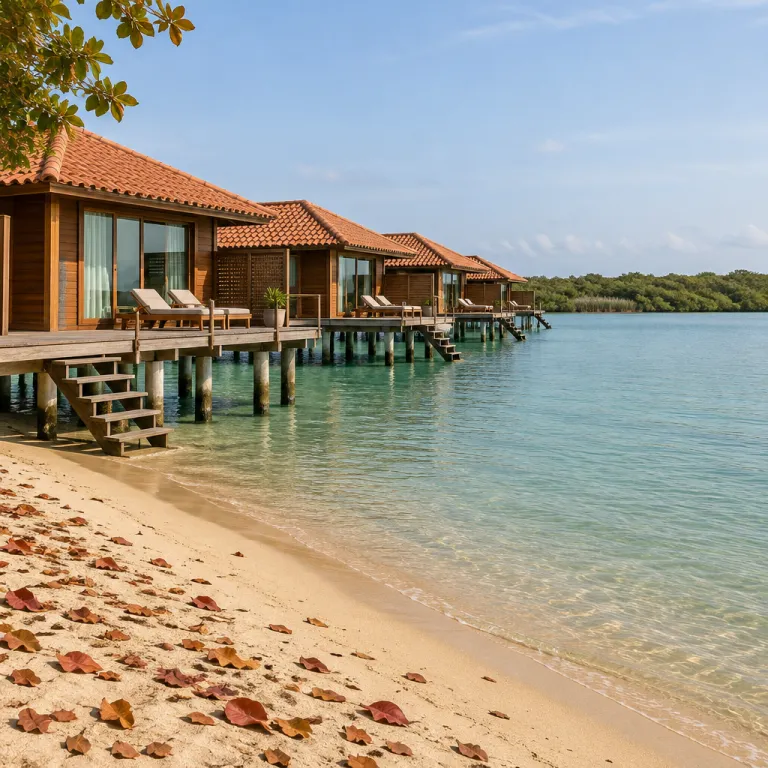
Why autumn is the smart moment to plan your winter sun overwater escape
As the first leaves fall, the most lagoon literate guests are already plotting their winter sun overwater escape. They know that while city parks glow with autumn color, the ideal time to secure serious winter escape value in the Maldives or the south Pacific quietly opens. Wait until the first frost bites and the best overwater villas on each island will already be gone.
Autumn is when the calendar still offers choice across winter sun seasons, from value November weeks to peak festive dates with the highest winter temperatures and warm weather premiums. In the Maldives, November marks the transition to the dry northeast monsoon, when seas calm, visibility improves and clear waters make snorkeling feel like floating above a private aquarium. Those same conditions mean that every luxury resort with strong ocean views and direct ladder access to the reef sees its most coveted villas sell out months ahead.
Think of your preferred private island as a tiny real estate market where supply is fixed and demand spikes as winter deepens. A handful of overwater villas with uninterrupted sun, white sand views and total open air privacy will always book first, especially at headline destinations like Bora Bora, the Maldives and the Caribbean. By late autumn, couples are left with either entry level categories or fragmented dates that break the slow luxury rhythm of a true winter sun stay.
Booking in autumn also lets you read the subtle price gradient between early winter sun weeks and the festive peak. November in the Maldives is widely regarded as one of the best value months, with lower rates than the premium holiday period that follows. If you are flexible on exact winter dates, you can trade a single festive week for a longer winter escape that stretches across two quieter seasons at the same resort.
For couples chasing both romance and ROI on their winter sun overwater escape, this timing is everything. You lock in the right villa, the right side of the island for the sun path and the right balance between warm weather reliability and rate. Leave it until snow is in the forecast and you will still find beaches and sun, but not necessarily the overwater villas that justify the flight.
Choosing the right island: from Maldives atolls to Caribbean coves
Once you commit to planning in autumn, the next decision is which island will frame your winter sun overwater escape. Each region offers a different relationship with winter temperatures, from the consistently warm Maldives to the slightly cooler but still gentle breezes of the Canary Islands. Your choice of destinations will shape not only the weather, but also the style of beaches, water sports and cultural texture around your villa.
For classic lagoon drama, the Maldives and Bora Bora in the south Pacific remain unmatched, with overwater villas fanning out over clear waters that shift from turquoise to inky blue. Here, the winter sun sits high enough to warm the decks all day, while the reef below delivers snorkeling straight from your ladder, not a scheduled boat. Couples who want that slow luxury rhythm should prioritise a private island resort with no day trippers, where the only traffic is reef sharks and parrotfish.
If you prefer a blend of natural beauty and low key nightlife, look to the Caribbean, Riviera Maya or Puerto Vallarta, where winter temperatures are kind to evening strolls. These destinations pair white sand beaches with easy access to local restaurants, small galleries and vibrant town squares. You still get ocean views and warm weather, but your winter escape includes tacos, rum bars or mezcal tastings alongside spa treatments and sunset cruises.
For something more quietly wild, Costa Rica and the Canary Islands offer a different kind of winter sun. Here, the focus is on rugged coastlines, volcanic landscapes and beaches backed by jungle or lava fields, with some emerging overwater style accommodations and strong eco credentials. Properties in these regions often lean into open air architecture, using cross breezes and natural materials to keep guests close to the elements without sacrificing luxury.
In the south Pacific, smaller islands such as Rarotonga in the Cook Islands deliver a softer, less commercial take on the winter sun overwater escape. A refined beachfront hideaway like the one reviewed in our guide to a Cook Islands beachfront escape shows how a handful of villas on a quiet lagoon can feel more exclusive than a sprawling resort. Whether you choose Bora Bora, the Maldives, the Caribbean or Costa Rica, the key is aligning the island’s character with how you actually want to spend your winter days.
Reading the calendar: weather, value and the rhythm of winter sun
Autumn planning gives you the luxury of reading the winter calendar with nuance rather than panic. Instead of grabbing any available beach week, you can weigh the ideal time for your chosen island against your appetite for risk on shoulder season showers. This is where understanding local patterns around winter temperatures, wind and sea conditions becomes as important as the villa photos.
In the Maldives, the shift to the dry northeast monsoon around November brings calmer seas, better visibility and more reliable sun for a winter sun overwater escape. That makes early season weeks attractive for snorkeling, water sports and open air dining, while still sitting below the price spike of festive dates. As the season progresses, you gain even drier weather but pay a premium for the same overwater villas and the same ocean views.
Across the south Pacific, including Bora Bora and Moorea, the pattern is similar, with a sweet spot where warm weather and clear waters align before peak holiday demand. Our analysis of all inclusive Moorea packages shows how early winter dates often include generous extras that quietly disappear later in the season. In the Caribbean, Riviera Maya and Puerto Vallarta, the driest months also coincide with the busiest, so autumn is when you can still secure a front row villa on the best beaches.
Destinations like Costa Rica and the Canary Islands add another layer, with microclimates that reward careful reading of local data rather than broad assumptions. A north facing bay may feel cooler in winter than a south facing cove just a short drive away, even on the same island. When you plan in autumn, you can still choose the side of the island that catches the winter sun, rather than accepting whatever is left.
Whatever your destination, think of the winter sun overwater escape as a spectrum between value and meteorological certainty. Early winter offers softer rates and slightly more variable skies, while late season brings near guaranteed blue but at a cost. Autumn is when you can still decide where on that spectrum your own version of slow luxury should sit.
Locking in the right overwater details: villas, transfers and slow luxury rituals
Once you have chosen your island and your ideal time, autumn is when you should lock in the details that define a serious winter sun overwater escape. Start with the villa category, because not all overwater villas are created equal, even within the same resort. The difference between a unit facing the sunrise over clear waters and one staring back at the jetty can make or break the sense of private island seclusion.
Prioritise villas with uninterrupted ocean views, generous decks and direct ladder access to the reef for snorkeling and water sports. Look for layouts that maximise open air living, with daybeds, plunge pools and outdoor showers that let you live in the warm weather rather than just watch it through glass. If you are sensitive to winter temperatures at night, check whether the deck gets afternoon sun, which keeps evening cocktails comfortable without reaching for a wrap.
Transfers are the next non negotiable, especially in archipelagos like the Maldives or the south Pacific where seaplanes and boats run on tight schedules. Our guide on why the seaplane is effectively your first room explains how transfer timing reveals a resort’s true priorities. Book early in autumn and you can usually secure daylight arrivals and departures, which means your first photo of the lagoon is not a grainy night shot from the jetty.
Dining plans and spa treatments are the final pieces to secure once your winter escape dates are confirmed. Many luxury resorts quietly cap the number of couples they will take for sunset cruises, private beach dinners or signature spa rituals on any given day. By reserving these in advance, you protect the slow luxury cadence of your winter sun overwater escape, moving from breakfast on the deck to snorkeling, then to a late afternoon massage without checking availability boards.
Leave these decisions until the first snowstorm and you may still reach the island, but the best villas, the prime transfer slots and the most coveted experiences will already be spoken for. Autumn is when you can still shape the narrative of your winter sun overwater escape rather than simply fitting into the gaps. Trade the fall foliage for the lagoon on your calendar now, and the rest of the season will feel different every time you glance at the booking in your inbox.
FAQ
What is the best month to book a winter sun overwater escape ?
The most strategic moment to book a winter sun overwater escape is during autumn, when availability is still strong but resorts have released their full seasonal rates. For the Maldives and the south Pacific, this is when you can still secure overwater villas with the best sun exposure and ocean views for November and early winter dates. Waiting until late in the year usually means higher prices and fewer choices, especially on smaller private islands.
Which destinations work best for a first time winter escape in an overwater villa ?
For a first winter escape focused on overwater villas, the Maldives and Bora Bora offer the most iconic lagoon settings and consistently warm weather. Couples who want more nightlife and dining variety might prefer the Caribbean, Riviera Maya or Puerto Vallarta, where beaches and town life sit side by side. If you value natural beauty and eco experiences as much as luxury, Costa Rica and some Canary Islands can be compelling alternatives.
How does weather differ between early and late winter sun seasons ?
Early winter sun weeks, especially around November, often bring slightly more variable skies but softer rates and fewer crowds. As the season progresses, many islands see drier conditions, calmer seas and more predictable sun, which is ideal for snorkeling, cruises and open air dining. The trade off is higher prices and busier beaches, which is why autumn planning lets you choose your preferred balance.
What should I prioritise when choosing an overwater villa for winter ?
For a winter sun overwater escape, prioritise orientation to the sun, uninterrupted ocean views and direct water access over purely interior design. A villa that faces the right direction for afternoon warmth will feel more comfortable during cooler evenings, even in tropical winter temperatures. Check the resort map carefully to avoid units near service jetties or busy beaches if you want a truly private island feel.
Are all inclusive plans worth it for overwater winter stays ?
All inclusive or semi inclusive plans can offer strong value in destinations where food, drinks and water sports are priced at a premium. For couples who plan to stay mostly on the island and enjoy spa treatments, snorkeling trips and open air dining, bundled packages simplify budgeting and reduce friction. If you expect to explore local restaurants or multiple beaches beyond the resort, a more flexible plan may suit you better.