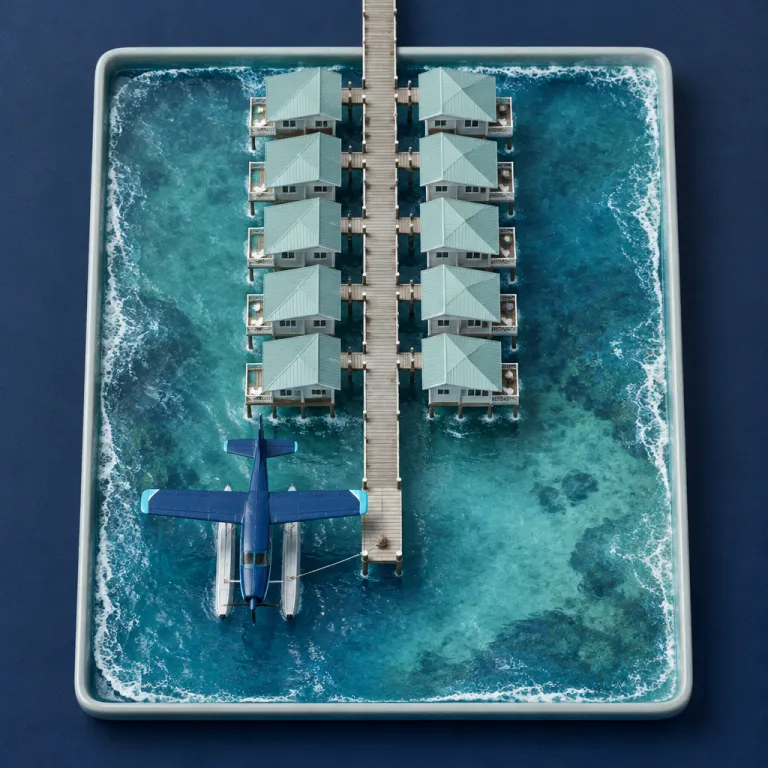
How the Maldives seaplane schedule quietly controls your first night
Your overwater stay in the Maldives begins long before you see the lagoon. The real starting point is the Maldives seaplane schedule that links Malé’s international airport to the outer islands where the most coveted overwater villas sit. Miss the last seaplane of the day and your first night shifts from stilted villa to city hotel in a single line of fine print.
Every seaplane transfer in the Maldives operates strictly within daylight hours, which means seaplanes usually fly only from early morning until late afternoon. This daylight rule shapes how each resort sequences its transfers, how long you wait at the seaplane terminal and whether your international flight arrival time lets you reach your villa the same evening. For business leisure travelers used to late international flights, this can be a costly surprise in both time and overall trip value.
Think of the Maldives seaplane timetable as the hidden schedule that decides whether your first sunset is over the runway or over the reef. A seaplane in the Maldives typically needs 30 to 60 minutes of flight time to reach the outer atolls, but seaplane operations must also factor in check in, boarding and weather. When your plane lands at the international airport after dark, seaplanes are grounded and the only realistic transfer is an overnight in Malé or at an airport resort, which is rarely the best experience for an overwater focused trip.
The daylight-only rule: when a late landing costs you a lagoon
Maldivian seaplane operations are certified for visual flying, so pilots must complete every seaplane flight within daylight hours for safety. That means the last Maldives seaplane departure usually leaves the seaplane terminal in the mid to late afternoon, depending on season and exact sunset time. If your international flight touches down after that window, no seaplane transfer can legally operate to your resort that evening.
Many travelers only notice this rule when their resort confirmation quietly mentions a possible overnight near the airport. The cost of that unexpected night can be significant, especially at premium airport resorts that price aggressively for short stays and late check outs. As a concrete example, a couple paying around US$500 per person for a round trip seaplane transfer and US$350 for an airport hotel with meals can easily add US$700–900 to the total cost of a one week stay if their flight arrives too late for the last seaplane.
For those comparing top island destinations, this timing constraint is unique compared with places like Bora Bora, where many lagoon resorts are reachable by short boat transfers that can operate after dark. If you are researching the most beautiful beaches in Bora Bora for an overwater villa escape, you will find that the transfer rhythm feels very different from the Maldives seaplane schedule. In the Maldives, seaplanes and their daylight limits are the gatekeepers between the international airport and your chosen resort, and ignoring that reality can turn a carefully planned first night into an unplanned stopover.
Why your resort seaplane transfer is rarely a private shuttle
Once you clear immigration at Malé’s international airport, your resort’s team will escort you to the dedicated seaplane terminal. Here, the Maldives seaplane schedule is managed by operators such as Trans Maldivian Airways and Manta Air, which run fleets of Twin Otter seaplanes configured for short island hops. These carriers coordinate seaplane transfers for multiple resorts at once, batching guests by destination and daylight hours rather than offering on demand departures.
This batching means your seaplane transfer is more like a regional flight than a private car, even at the most exclusive resorts. You may wait one to three hours in a lounge while the airline fills a plane with guests heading to the same cluster of islands, and the exact departure time can shift on the day. For business leisure travelers used to fixed corporate flight schedules, this flexible timing can feel imprecise, but it is how operators protect safety, manage cost and keep seaplane travel viable across scattered atolls.
Some high end resorts negotiate more tailored Maldivian seaplane slots, yet even these seaplane transfers must respect the shared Maldives seaplane schedule and daylight limits. If you care about minimizing waiting time, choose an international flight that lands by late morning, when seaplane operations are at their peak and planes cycle quickly between the seaplane terminal and outer islands. For travelers who also plan lagoon escapes in French Polynesia and are comparing the best places to snorkel in Tahiti for a luxurious lagoon escape, this shared shuttle model is a key difference from many boat based transfers there.
The airport overnight: cost, timing and how to avoid losing a day
When your international flight lands too late for the last Maldives seaplane of the day, the default solution is an overnight near the airport. Some travelers choose a simple city hotel in Malé, while others opt for an airport resort on a nearby island reached by short boat transfers, but either way your first night is not spent in an overwater villa. The cost of this extra night, plus meals and local transfers, can erode the value of carefully curated packages Maldives specialists assemble for premium travelers.
There is also a time penalty that rarely appears in glossy brochures. Instead of stepping from plane to seaplane to resort within a few hours, you spend an evening in transit mode, then return to the airport or seaplane terminal early the next morning to catch the first available seaplane transfer. For executives turning a business trip into leisure, this lost evening can be the only window they had for a full seaplane experience and sunset swim from their villa ladder.
To avoid this, align your international flight with the Maldives seaplane schedule rather than chasing the lowest fare or most familiar airline. As a rule of thumb, aim to fly into Malé by around 14:00–15:00 between November and February and by about 15:00–16:00 between March and October, leaving enough time for immigration, baggage, the short transfer to the seaplane terminal and any operational delays. If your only viable international flights arrive in the evening, consider shifting your itinerary to a resort reachable by speedboat instead and use a specialist guide to compare seaplane or speedboat transfers by villa, budget and bedtime at OverwaterVillasStay, which breaks down these trade offs clearly.
Departure day: how early flights home can steal your last night
The Maldives seaplane schedule does not only affect your arrival; it also shapes your final night. Seaplanes must again operate within daylight hours, and operators need enough buffer time to position each plane back to the seaplane terminal before dark. If your international departure is very early, your resort may insist you leave the islands the previous afternoon and overnight near the international airport.
This can be particularly frustrating when you have paid for an overwater villa on your last night but are asked to check out early for a mid afternoon seaplane transfer. The resort is not being difficult; it is working within the constraints of seaplane operations, shared seaplane transfers and the need to protect safety margins for every flight. For travelers prone to motion sickness, this also means two separate days of flying in small seaplanes rather than one concentrated travel day, which can affect how you plan meetings or remote work commitments around your trip.
To keep your final night where it belongs, in your villa rather than an airport hotel, choose an international flight that departs Malé in the mid afternoon or evening. This timing allows a morning seaplane Maldives departure from your resort, a relaxed check out and a final swim off your deck before you fly. When you evaluate packages Maldives agents propose, ask them to map out not just the resort nights but also the seaplane travel pattern on both arrival and departure days so you see the full picture.
A practical booking checklist: sequencing flights, transfers and villa nights
Start with the Maldives seaplane schedule, not the resort brochure, when you plan an overwater stay. Confirm whether your chosen resort relies on Trans Maldivian Airways, Manta Air or another Maldivian airways style operator, then ask for the typical first and last seaplane departure times by month. As a simple planning guide, many resorts advise that guests landing before about 15:00 in the drier northeast monsoon (roughly November to April) and before about 16:00 in the wetter southwest monsoon (around May to October) can usually connect to a same day seaplane.
Next, look at how many islands your seaplane will serve on the route, because multi stop flights can add time and increase the chance of motion sickness in choppy conditions. If you are booking family packages or honeymoon packages, ask whether your seaplane transfer is usually direct or combined with other resorts, and whether private or semi private options exist at a higher cost. For some travelers, paying more for a shorter, direct Maldivian seaplane route is the best investment in comfort and overall experience.
Finally, align your villa dates, seaplane transfers and international flights into one coherent itinerary rather than treating them as separate bookings. Confirm whether your resort includes the seaplane transfer in its packages Maldives offer or charges it separately, and factor that cost into your total budget. When you understand how the Maldives seaplane schedule interacts with daylight hours, the seaplane terminal, each plane’s routing and your own travel rhythm, you can choose the best combination of flights, transfers and villa nights for a seamless arrival and an unhurried departure.
Key figures that shape your Maldives seaplane timing
- Most Maldives seaplane flights between Malé and outer atolls take around 30 to 60 minutes of air time, which means you should allow at least three hours from landing at the international airport to reaching your resort when planning same day arrivals (based on typical operator schedules published by Trans Maldivian Airways and Manta Air and summarized in resort transfer fact sheets).
- Seaplane operations in the Maldives generally run only during daylight hours, from roughly 06:00 to 16:00–17:00, so any international flight landing after mid afternoon risks missing the last seaplane of the day (according to guidance shared by major Maldives resort groups in their transfer policies and standard operating procedures).
- Many premium resorts charge seaplane transfer fees in the range of several hundred US dollars per person round trip, which can represent a significant share of total trip cost and makes avoiding unnecessary airport overnights financially important (figures compiled from publicly listed resort transfer tariffs and sample invoices from specialist Maldives travel agencies).
- Typical lounge waiting times at the seaplane terminal range from one to three hours during peak arrival waves, as operators batch guests by resort and route to optimize each plane’s load (based on operational notes from Trans Maldivian Airways, Manta Air schedule summaries and guest reports aggregated by major travel agencies).
FAQ about Maldives seaplane schedules and overwater villa arrivals
What is the latest time a seaplane usually departs from Malé?
Most seaplane departures from Malé’s seaplane terminal operate only during daylight hours, so the last flights typically leave in the mid to late afternoon depending on the season and sunset time. Operators such as Trans Maldivian Airways and Manta Air set their daily Maldives seaplane schedule to ensure every plane returns before dark. If your international flight lands after this window, you should expect to overnight near the airport.
Can I guarantee a specific seaplane departure time to my resort?
Seaplane transfers in the Maldives are usually scheduled by the operating airline on the day before travel, based on all arriving and departing guests across multiple resorts. While you can request a preferred time, neither the resort nor the airline can guarantee an exact seaplane departure because they must batch passengers and respect daylight hours. Premium resorts sometimes secure more favorable slots, but even there the Maldives seaplane schedule remains subject to operational changes.
Are seaplane transfers included in Maldives resort packages?
Some resorts bundle the seaplane transfer into the packages Maldives specialists sell, especially for family packages or honeymoon packages, while others price it separately as a mandatory surcharge. Always check whether the quoted rate includes round trip seaplane transfers and confirm the cost per person, as this can significantly affect your total budget. If transfers are not included, compare the combined cost of resort nights, seaplane travel and any airport overnights before finalizing flights.
How can I reduce motion sickness on Maldives seaplane flights?
To minimize motion sickness, try to fly earlier in the day when air tends to be calmer and request a seat near the front of the Twin Otter cabin, where movement feels slightly reduced. Avoid heavy meals and alcohol before your seaplane flight, and consider approved medication if you are particularly sensitive. If you know motion sickness is a major issue, you may prefer a resort reachable by speedboat rather than relying on multiple seaplane transfers.
Is a seaplane transfer worth the extra cost compared with a speedboat?
For many travelers, the seaplane experience is a highlight of Maldives travel because it offers aerial views of reefs, sandbanks and overwater villas that no boat can match. However, seaplane transfers are usually more expensive than speedboats and are limited to daylight hours, which can require airport overnights if your international flights do not align. If you value maximizing time in your villa and minimizing cost, a speedboat accessible resort may be the best option; if you want that iconic Maldivian seaplane view, plan your flights carefully and budget for the premium.