How an overwater resort family coral planting reef program actually works
Step off the deck of an overwater villa and you enter a living laboratory, which is exactly what a serious overwater resort family coral planting reef program is designed to be. Families join marine biologists on the jetty, learn how a coral reef functions as a nursery and feeding ground, then head by boat to shallow sites where children can stand or float safely while working with coral fragments. The rhythm is calm yet purposeful, and even first time snorkelers feel supported by the resort équipe and clear briefings.
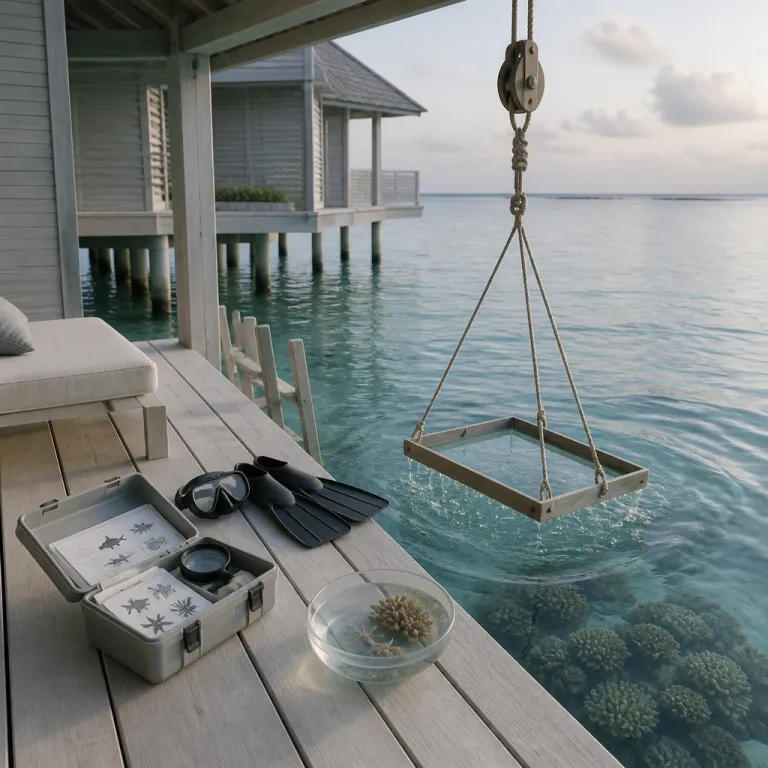
A typical session begins with a short marine science briefing using simple diagrams that explain why coral reefs cover less than 1 % of the ocean floor yet support a quarter of marine life. Parents and children handle cleaned coral fragments on the dock, then help attach them to metal or rope frames that will be lowered onto the reef for long term coral restoration and reef restoration monitoring. This is where a genuine conservation focus shows, because the marine biologist explains which species are chosen, how often the frames are checked, and how guests can see their own frame on a future book stay.
Once in the water, younger guests float above the coral planting site with life vests while older siblings and adults help position frames on sandy patches between existing coral reefs. The best programs limit group size so each family can work closely with a dedicated marine biologist and ask detailed questions about reef rescue, bleaching, and local fishing pressures. Back on the deck, staff often share a post snorkel hot chocolate or fresh juice while logging sightings of turtles, rays, and reef fish that will feed into regional marine conservation databases.
Age thresholds, safety and why the right guide matters
For families comparing overwater resorts, age thresholds quietly shape the entire overwater resort family coral planting reef program experience. At properties aligned with operators such as OUTRIGGER Maafushivaru in the Maldives, children can try introductory diving from eight years old, while PADI courses usually begin at ten, which mirrors the approach at high end resorts that partner with serious marine science initiatives. Snorkeling, however, can start at almost any age as long as the lagoon is shallow, currents are mild, and the resort has patient guides who understand family dynamics.
The resident marine biologist is no longer a marketing flourish but a core amenity, especially when you are choosing between far flung island destinations such as the Maldives, Indonesia, or the Caribbean. At Siyam World in the Maldives, for example, resident marine biologists lead guided coral planting sessions and weekly talks that demystify coral reef health, while at Banyan Tree Vabbinfaru the on site marine research facility anchors every family activity in real conservation work. When you compare these programs with more generic snorkeling trips, the difference is obvious because your children come away talking about polyps, plankton, and reef restoration rather than just the color of the fish.
Families who prefer a gentler entry can look to overwater style options such as Lina Point Overwater Resort in Belize or Banyan Tree Mayakoba in Mexico, where calm lagoons and glass floor cabanas allow very young guests to watch coral and reef life without entering deep water. These properties often combine guided snorkeling tours with shore based workshops, which suits multi generational groups where grandparents might skip the boat but still want a strong view of the conservation story. If you are planning more active excursions beyond the lagoon, resources such as refined adventure guides for Moorea excursions can help you balance reef time with other family friendly experiences.
From snorkeling to citizen science: when guests become part of the data
The most compelling overwater resort family coral planting reef program does not end when you climb the ladder back to your villa. At forward thinking resorts in the Maldives and the Caribbean, guests are invited to submit their photos of manta rays, whale sharks, and turtles to research partners such as the Manta Trust or the Maldives Whale Shark Research Programme, turning casual snorkeling into structured citizen science. Children quickly understand that every image of a spotted ray or patterned tail can help a marine biologist track migration routes and population health.
Gili Lankanfushi in the Maldives has become a reference point here, with its Coral Lines conservation project that lets families adopt a section of coral nursery and receive updates on growth and survival. Similar initiatives at LUX* South Ari Atoll and other high end resorts allow guests to sponsor coral frames, join periodic reef rescue checks, and see how their coral fragments contribute to larger coral restoration mosaics across nearby reefs. When these updates arrive by email months after your book stay, the lagoon suddenly feels much closer than a distant holiday memory.
Some programs go further by integrating marine science into kids club activities, where staff help children build simple reef models, log fish species, and understand how a barrier reef protects a low lying island from storms. Parents often appreciate that these sessions are scheduled around mealtimes, especially at properties where overwater resorts have evolved into serious dining destinations with multiple restaurants for a small number of villas. If you are planning a trip where food matters as much as reef time, it is worth reading in depth features on how overwater resorts became dining destinations to understand which properties balance gastronomy with conservation.
Choosing between Maldives, Caribbean and Indonesia for reef focused families
Once you decide that an overwater resort family coral planting reef program belongs on your next itinerary, the question becomes where to anchor it. The Maldives remains the archetype, with resorts such as Gili Lankanfushi, Six Senses Laamu, and LUX* South Ari Atoll offering textbook overwater villas, easy ladder access to coral reefs, and resident marine biologists who live on the island year round. These properties suit families who want a private island feel, clear lagoon views, and a strong focus on coral reef health.
The Caribbean offers a different rhythm, especially around Belize and the islands where the Mesoamerican barrier reef runs close to shore. At Lina Point Overwater Resort near Ambergris Caye, families sleep above mangrove lined shallows, join daily snorkeling trips to nearby reefs, and learn how local conservation organizations respond to regional coral bleaching. Farther east, brands such as Sandals Resorts have begun weaving conservation into their narrative, with the Sandals Foundation supporting marine projects in destinations including Saint Lucia and Royal Curaçao, although not every property offers structured coral planting yet.
Indonesia brings another layer again, with places such as the Maldives inspired Gili Lankanfushi style villas mirrored by eco focused resorts in regions like Raja Ampat, where biodiversity is off the charts but access is more complex. Families who choose Indonesia often do so for the sense of frontier marine science, working with local marine biologists on reef restoration while also exploring jungle clad islands between dives. Wherever you go, ask whether the resort partners with a recognized foundation, employs at least one full time marine biologist, and can show measurable coral restoration results rather than just photo friendly coral fragments on a jetty.
How to tell real conservation from a photo opportunity
Not every overwater resort family coral planting reef program is created equal, and discerning travelers should interrogate the details before committing. A credible program will publish data on how many coral frames have been planted, what percentage of coral fragments survive, and how much reef area has been restored, as seen at properties that report square metres of reef restoration and numbers of engaged guests. When a resort can show multi year monitoring rather than one off events, you know conservation is embedded rather than decorative.
Look closely at who runs the sessions, because a qualified marine biologist or a team of marine biologists signals a different level of rigor than generic activities staff. Resorts with serious intent often collaborate with universities or NGOs, maintain a small marine science lab on site, and invite guests to attend evening talks that go beyond basic reef facts. They also tend to limit group sizes, avoid touching wild coral reefs during excursions, and position coral planting frames on bare sand rather than on living coral.
Families should also examine how the resort manages the rest of its footprint, from wastewater treatment to reef safe sunscreen policies and boat traffic around the house reef. Properties that talk about reef rescue while anchoring speedboats on coral heads or allowing guests to stand on coral are sending mixed signals that children will notice. By contrast, when you see mooring buoys, clear snorkel paths, and staff gently correcting poor behavior, you can feel confident that your book stay is supporting a resort where conservation is more than a marketing post.
What children really take home from lagoon based learning
Parents often ask whether a week at an overwater resort family coral planting reef program will genuinely change how their children see the ocean. The answer, from years of watching families move from tentative first snorkels to confident reef explorers, is that these experiences tend to leave a deeper imprint than any aquarium visit. Children remember the feel of coral fragments in their hands, the way a parrotfish crunches coral under their fins, and the quiet authority of the marine biologist who names every species around the ladder.
Educational payoff shows up in small, telling moments, such as when a child corrects an adult who calls coral a rock or explains why feeding fish near the villa deck can damage the reef. Many families report that after planting coral reefs together, their children become the fiercest advocates for reef conservation at home, pushing for reef safe sunscreen, less plastic, and school projects on marine science. These shifts matter in a world where global coral reef loss since 1980 has reached around 50 %, according to NOAA, and where every new generation of travelers will influence how resorts operate.
For parents, the value lies in shared purpose as much as in education, because working side by side on a coral restoration frame or joining a reef rescue survey turns a luxury holiday into a family project. Overwater villas with private pools and sweeping lagoon views still deliver the escapism you expect, especially at properties that balance privacy with easy access to the house reef. When that same ladder leads your children into a classroom without walls, the decision to book stay at a resort with a serious conservation program feels less like indulgence and more like investment.
Key figures that frame family reef programs
- Global coral reef loss since 1980 is estimated at around 50 %, according to NOAA, which underscores why family focused coral planting and reef restoration programs at resorts are more than a niche activity.
- Belize’s reefs receive roughly 300 000 visitors per year, based on data from the Belize Tourism Board, making responsible practices at overwater style properties near the barrier reef critical for long term conservation.
- Resorts that report the number of coral frames planted and square metres of reef restored give families a transparent way to measure impact, especially when those figures are updated annually and linked to independent marine science partners.
- Year round programming, with daily snorkeling tours, weekly marine biology workshops, and monthly reef conservation events, allows families to experience meaningful activities outside traditional peak seasons.
- Interactive glass floor cabanas and shallow lagoon entries at some overwater resorts have increased participation among younger children, helping entire families engage with coral reef ecosystems without advanced swimming skills.
FAQ about family reef programs at overwater resorts
Are these reef programs suitable for young children ?
Yes, activities are designed for all ages, with shallow water entries, flotation devices, and shore based workshops that let even very young guests engage with coral and reef life safely. Resorts typically tailor sessions so that older children can join snorkeling or coral planting while younger siblings watch from glass floor cabanas or the jetty. Parents should still check minimum ages for diving or deeper excursions, which often start at eight or ten years old.
Do families need prior snorkeling experience to join coral planting ?
No, beginners are welcome, and many overwater resorts structure their overwater resort family coral planting reef program around first time snorkelers. Staff provide equipment, buoyancy aids, and calm briefings before entering the lagoon, often starting in waist deep water so guests can stand if they feel unsure. Choosing a resort with a resident marine biologist and a protected house reef further increases comfort and safety for new snorkelers.
How can guests contribute to reef conservation during a luxury stay ?
Guests can participate in resort led initiatives and follow sustainable practices, from joining coral planting sessions to logging wildlife sightings for citizen science projects. Simple choices such as using reef safe sunscreen, avoiding contact with coral reefs, and supporting foundations that fund marine science all add up. Families can also prioritize resorts that publish clear conservation data and partner with recognized organizations rather than offering only photo friendly activities.
What should families look for when choosing a resort with reef programs ?
Key indicators include a full time marine biologist on staff, partnerships with universities or NGOs, and transparent reporting on coral restoration outcomes. Families should ask about group sizes, safety protocols, and whether children can participate meaningfully rather than just watching adults handle coral fragments. It is also worth checking how the resort manages boat traffic, wastewater, and sunscreen policies around the house reef to ensure conservation is consistent.
Can a short holiday really influence children’s attitudes toward the ocean ?
Hands on encounters with coral reefs, guided by experts, tend to leave a lasting impression that goes beyond typical sightseeing. Children who help plant coral or assist with reef rescue monitoring often return home more aware of marine conservation issues and eager to change daily habits. For many families, that shift in perspective becomes the most valuable souvenir of an overwater villa stay.